Why Prefabricated Structures Are the
Future of Green Construction in India
In today's environmentally conscious world, India is embracing smarter, faster, and greener ways to build. Among the most revolutionary solutions leading this change is the use of prefabricated structures. At Thirumala Roofings & Structurals, we specialize in delivering high-quality prefabricated buildings, designed to minimize environmental impact while maximizing strength and efficiency.
Build Green With Experts
Our commitment to green construction practices and engineering excellence makes us a trusted partner for industrial, commercial, and institutional projects across South India. Ready to start your green building journey with prefab? Schedule a free consultation with our expert team and receive a tailor-made proposal for your next project.
Get a Free Quote
Fill the form below — we'll get back to you within 24 hours.
What Are Prefabricated Structures?
Building components used in prefabricated constructions are produced in a regulated facility off-site, then transported and put together on-site. These can include PEB structures, PUF panels, walls, roofs, trusses, and more.
Unlike conventional construction, where work happens entirely on-site, prefab construction offers precision, speed, and less environmental disruption, making it ideal for sustainable development goals.
With the construction sector responsible for nearly 40% of global emissions, there's a growing push to adopt sustainable methods. Here's how Thirumala Roofings & Structurals is helping clients go green.
Why Prefab Construction Aligns
with Green Building Goals
1. Material Waste Reduction
Conventional construction often leads to excessive material waste. Prefabricated structures, however, are factory-produced using pre-cut and pre-engineered materials, resulting in minimal wastage and better recycling potential.
2. Low Carbon Footprint
Since prefab components are manufactured in bulk and transported directly, it reduces multiple trips, heavy equipment use, and on-site emissions. Efficiency and sustainability are key considerations in the design of our pre-engineered steel buildings.
3. High Energy Efficiency
We integrate PUF insulated panels, reflective roofing sheets, and energy-saving materials that help lower energy consumption, especially in cold storage construction, factory buildings, and commercial structures.
4. Reusability & Longevity
Our prefab steel structures are built to last and are 100% recyclable. They can also be dismantled and reused for other purposes, promoting circular construction practices.
Thirumala Roofings: Leading
the Green Prefab Movement
As an industry leader, Thirumala Roofings & Structurals takes pride in providing eco-conscious construction solutions that meet the standards of IGBC, GRIHA, and other green building certifications.
Whether you are planning an industrial warehouse, factory shed, or institutional block, our prefab solutions help you achieve the following.
Why India Needs Green
Prefab Solutions Now More Than Ever
Government-Driven Sustainability Goals
Initiatives like Smart Cities Mission, PMAY, and Housing for All are pushing for faster, greener construction. Prefabricated buildings are perfectly suited for these timelines and environmental objectives.
Growing Demand from Commercial & Industrial Clients
Businesses are aiming for energy-efficient infrastructure to lower operational costs and meet ESG standards. Our industrial shed construction and steel warehouse buildings are built with this in mind.
Where Prefabrication Shines
1. Industrial Warehouses
Prefabricated warehouses are ideal for production, storage, and logistical processes because of their robustness, speed, and thermal efficiency.
2. Commercial Buildings
Our prefab systems reduce construction noise, disruption, and time, ideal for setting up commercial complexes, retail outlets, and corporate offices.
3. Cold Storage Solutions
Built with PUF panels for high thermal resistance, our cold storage building construction ensures minimal energy use and long-lasting temperature control.
4. Factory Infrastructure
We deliver turnkey factory construction services using pre-engineered steel frames and roof structures, providing low-maintenance and scalable buildings.
5. Institutional & Healthcare Facilities
For schools, hospitals, and clinics, prefab offers a clean and quick solution with better hygiene control and faster deployment during emergencies.
Common Misconceptions About
Prefab Buildings (And the Truth)
Prefab buildings are temporary.
Thirumala Roofings constructs long-lasting, robust buildings that are resistant to seismic activity and severe weather.
Prefab is only for low-budget projects.
Prefab construction is highly scalable and used for everything from affordable housing to premium industrial structures.
Limited customization options.
We offer fully customizable prefab designs, from layout and roofing to insulation and finishes.
How Prefab Supports
Green Building Certifications
Here's how prefab structures help achieve green certification benchmarks.
| Green Feature | How Our Prefab Supports It |
|---|---|
| Energy Efficiency | PUF panels and ventilation systems reduce HVAC loads. |
| Water Conservation | Factory production uses less water than on-site activities. |
| Material Management | Recycled steel and reusable components reduce raw material use. |
| Indoor Air Quality | Controlled assembly means less dust and allergens. |
| Waste Management | Off-site fabrication reduces debris and on-site clutter. |
Looking for LEED or IGBC-compliant prefab solutions? We've got you covered.
Our Prefab Services
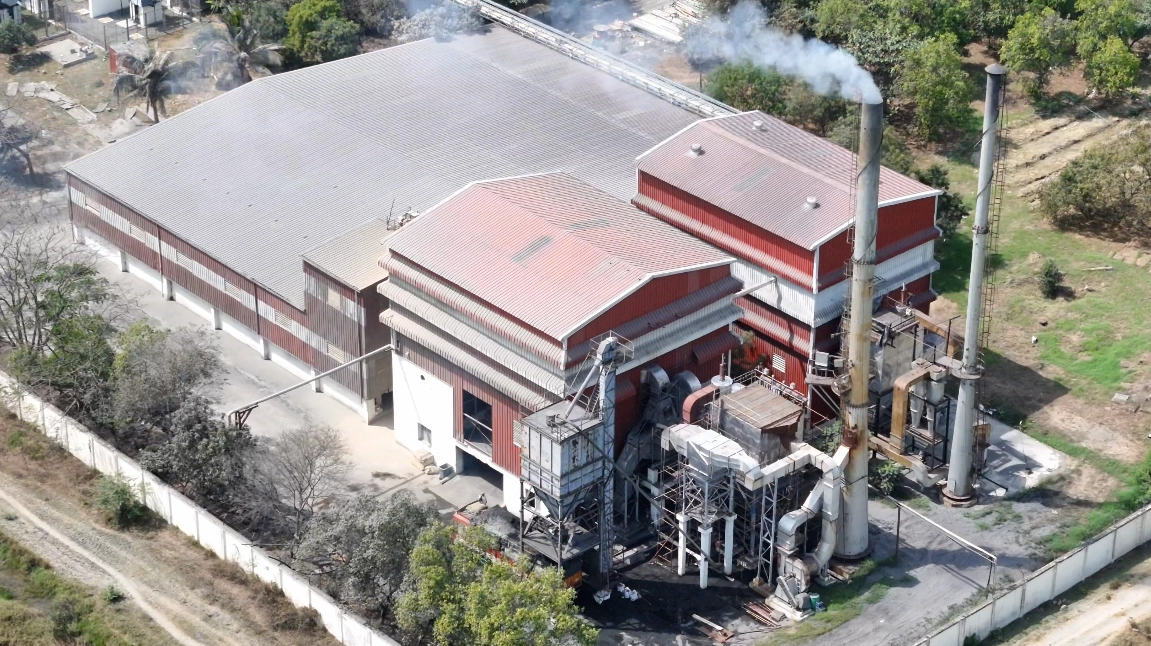
PEB Factory Building
Pre-engineered factory structures built for fast, durable production spaces.
Read More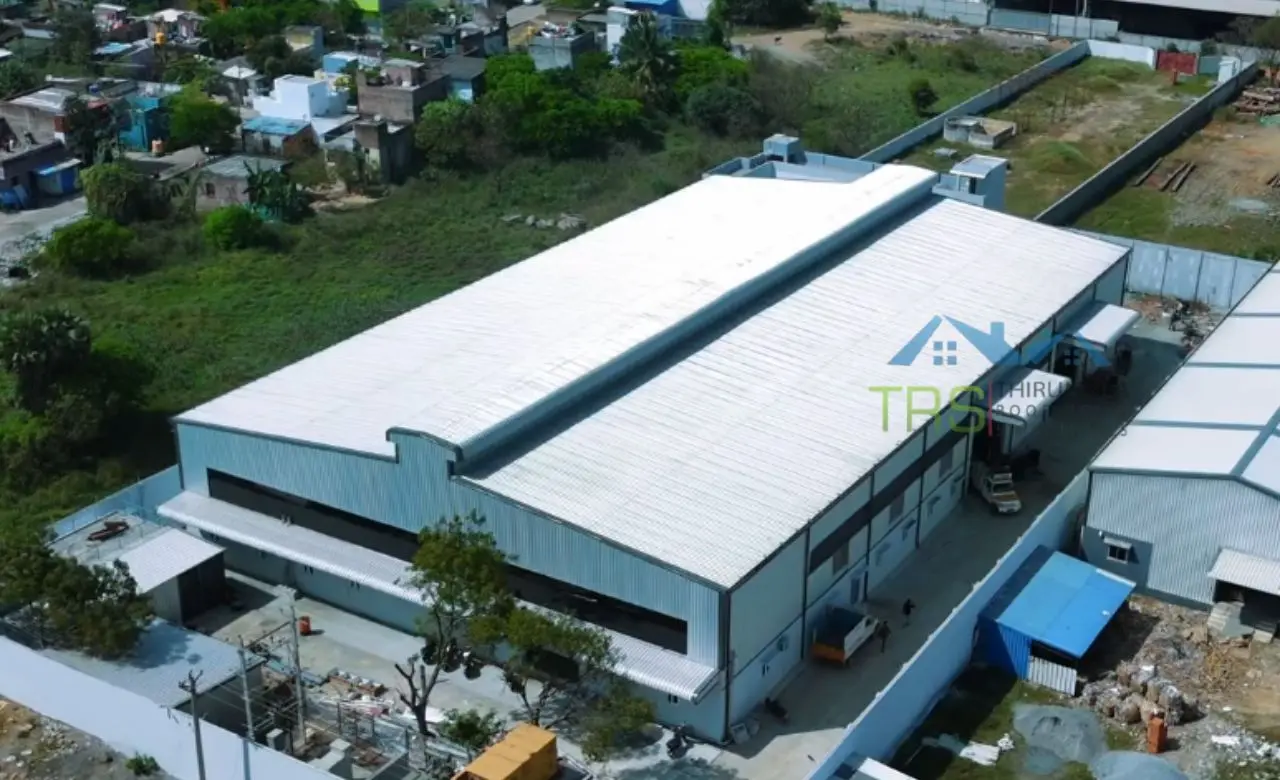
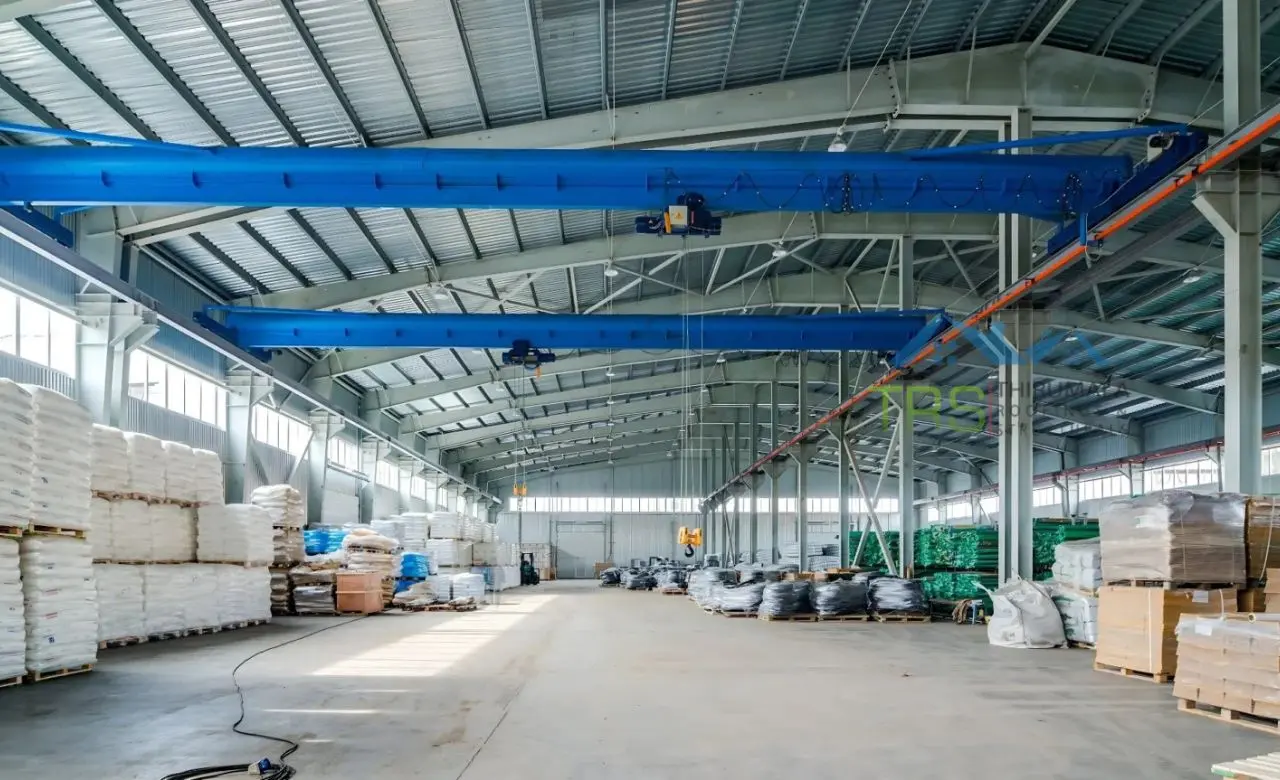
Industrial Shed Fabrication
Precision-fabricated industrial sheds built to handle heavy operations.
Read More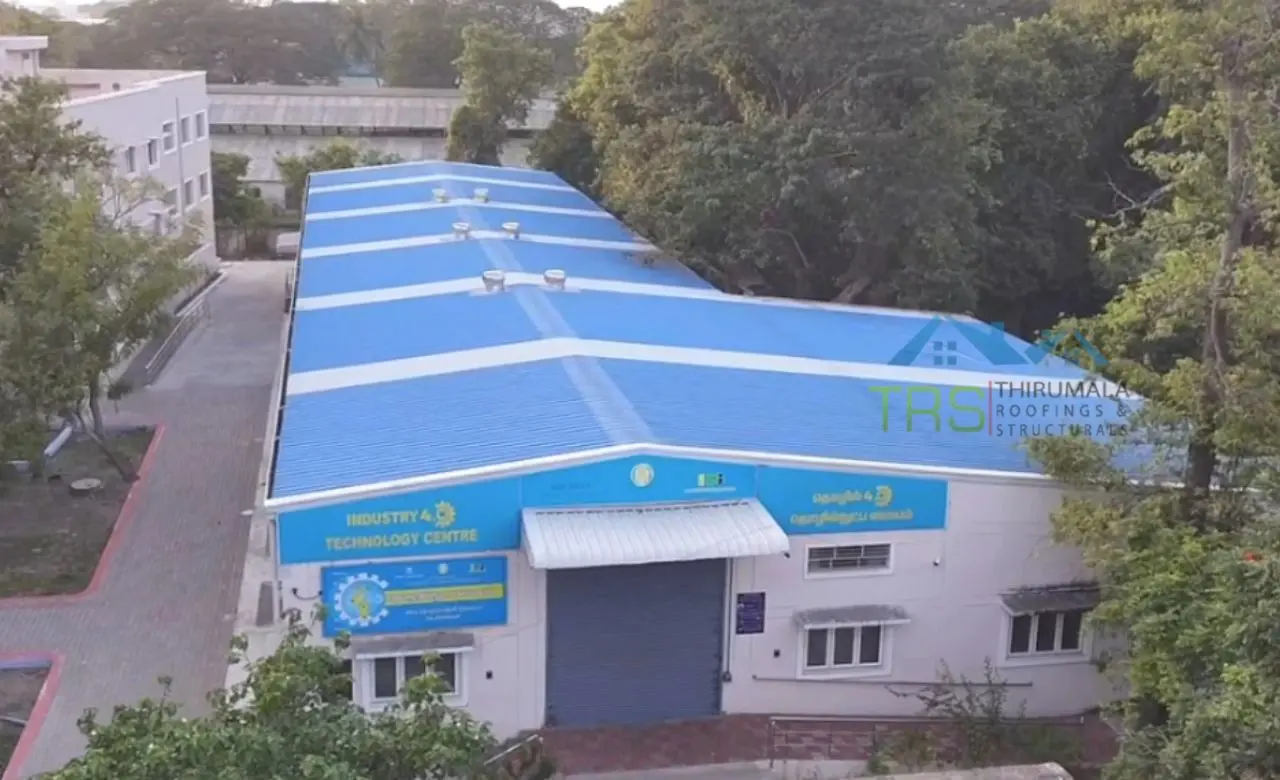
PEB Cold Storage Building
Insulated, temperature-controlled steel structures for cold storage units.
Read More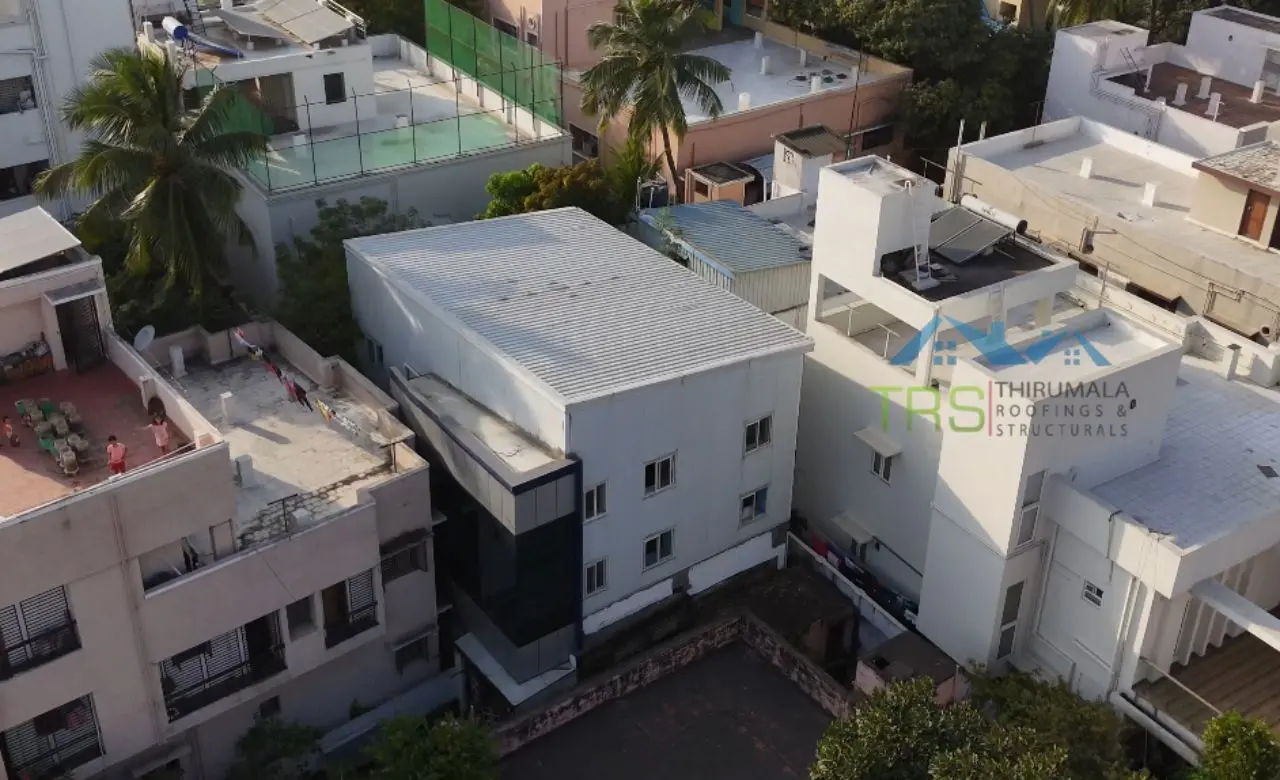
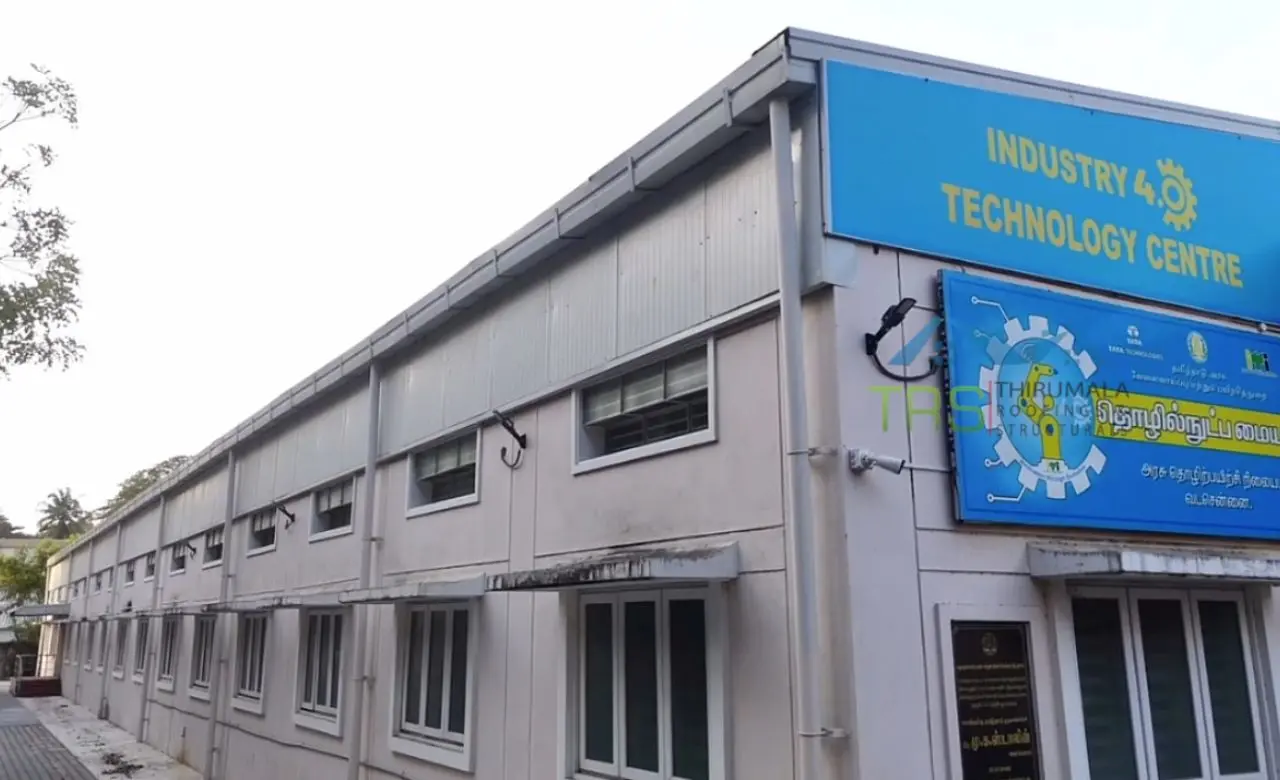
Conventional Steel Buildings
Reliable conventional steel buildings built to last for decades.
Read More
Frequently Asked Questions
Let's Build the Future, Together
Whether you need a steel warehouse, cold storage unit, PUF panel building, or a complete industrial infrastructure solution, we're here to bring your vision to life, faster, smarter, and greener.