
Top Mistakes to Avoid
While Installing PUF Panels
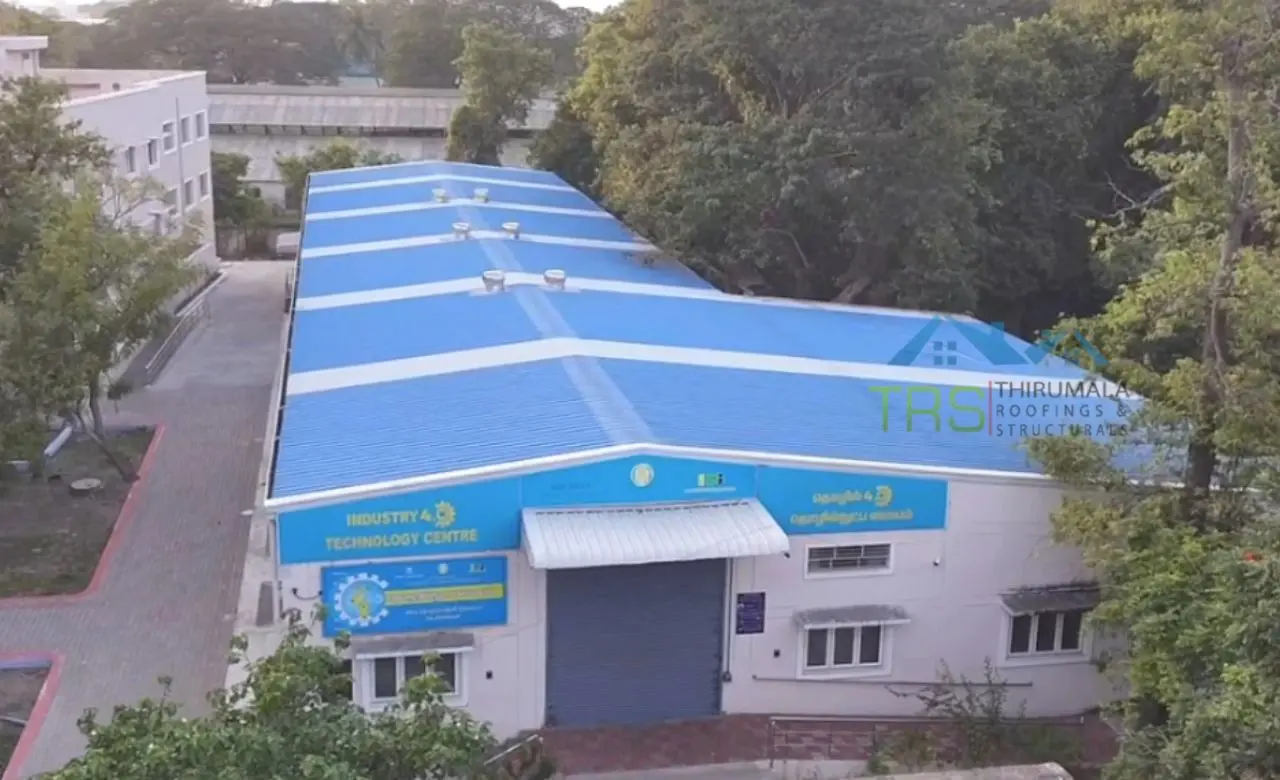
PUF panels are transforming modern construction with superior thermal insulation, durability, and energy efficiency. But improper installation can drastically reduce their performance and lifespan. This guide highlights the top mistakes to avoid during PUF panel installation and how partnering with experienced professionals ensures optimal results.
PUF Panel Installation Done Right
At Thirumala Roofings & Structurals, we've seen firsthand how avoiding a few common mistakes can make all the difference in the long-term success of your PUF panel project. Get in touch and let our specialists guide you from day one.
Get a Free Quote
Fill the form below — we'll get back to you within 24 hours.
Why Proper PUF Panel
Installation Matters
PUF panels, also known as polyurethane foam panels, are one of the most effective insulation solutions available for industrial and commercial construction. They offer excellent thermal performance, are fast to install, and work well for cold storage buildings, clean rooms, warehouses, and factory sheds.
But the insulation performance you get from PUF panels is almost entirely dependent on how well they're installed. A panel that's correctly specified and properly fitted will hold temperature, resist moisture, and stay structurally solid for years. A panel that's installed with any of the common mistakes below can fail long before it should.
PUF panels are only as effective as their installation. A poorly installed panel can result in:
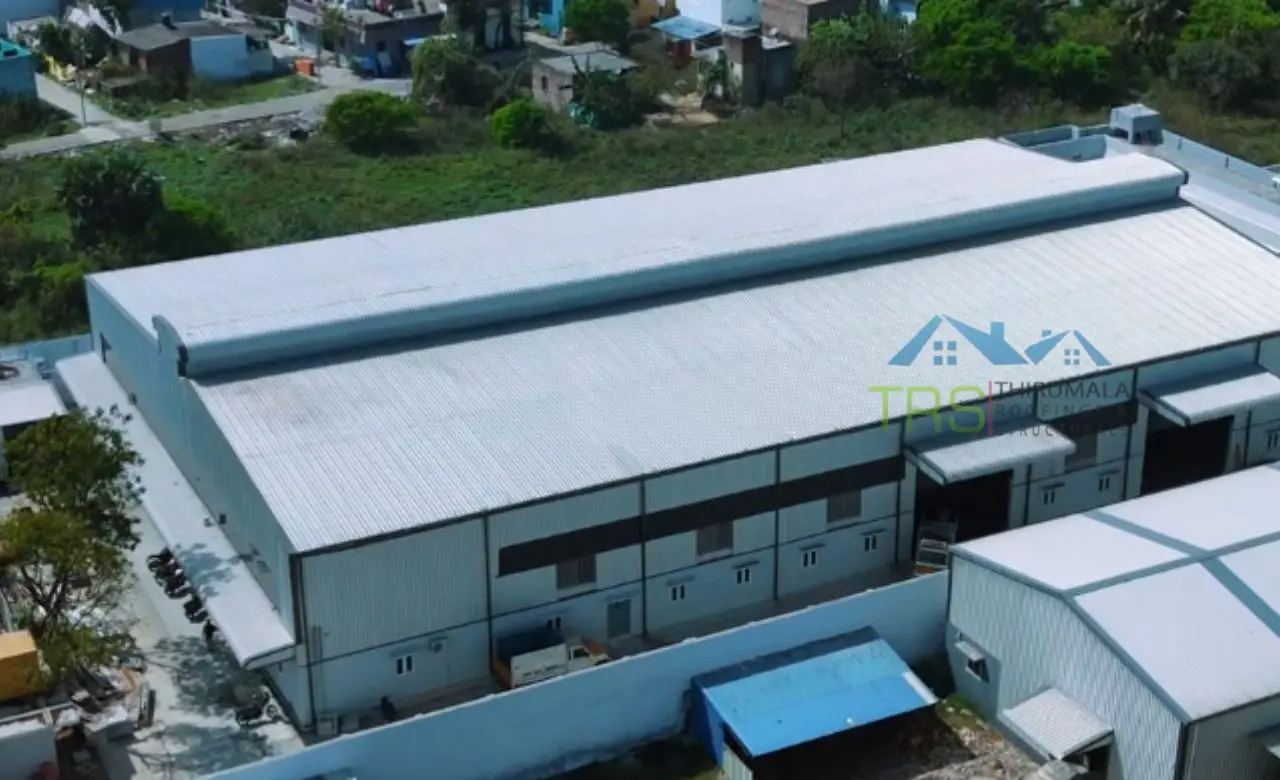
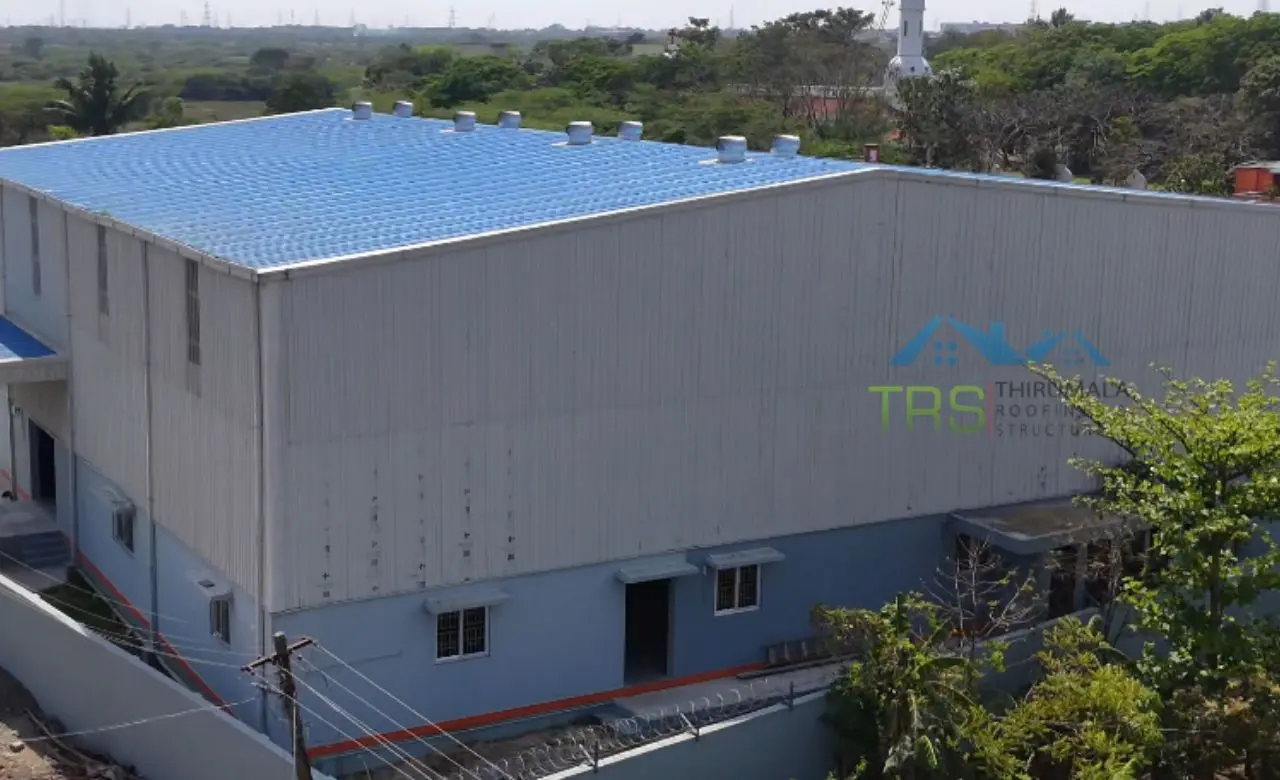
Our team at Thirumala Roofings specializes in PUF insulated panel installation, ensuring long-term performance through precision and quality at every stage.
10 Mistakes to Avoid
During PUF Panel Installation
Using the Wrong Type of PUF Panel
Not all PUF panels are the same. They vary in thickness, density, and finish based on the application — whether it's for a cold storage unit, a prefabricated office cabin, or a factory shed. Choosing the wrong spec is one of the most common and costly mistakes, because you usually don't notice the problem until the temperature doesn't hold or energy bills spike.
Choosing thinner or low-density panels for temperature-sensitive structures to save cost upfront.
We consult on the right PUF panel specification based on your project's actual insulation needs — cold storage, clean rooms, or industrial roofing.
Incorrect Surface Preparation
The surface where PUF panels are to be fixed must be clean, dry, and level. Surfaces that are uneven or dusty may not adhere properly, which can result in structural gaps or water seepage that's hard to trace back to the source.
Skipping surface checks or failing to remove dust, oil residue, and debris before fixing panels.
Before any panel is fixed, our staff thoroughly prepares surfaces using a pre-installation checklist that covers level, cleanliness, and structural readiness.
Improper Joint Sealing
The joints between PUF panels are critical for air-tightness and thermal efficiency. A poorly sealed joint becomes a leakage point, and even a small air gap through a joint can undermine the entire insulation system around it.
Using substandard sealants or skipping foam filling at joints entirely to speed up the job.
We use high-grade joint sealing materials and approved techniques to ensure thermal continuity and zero air leakage at every joint.
Inadequate Support Structure
Even the best PUF panels can fail if the supporting framework is not strong, aligned, or corrosion-resistant. A weak structure causes panels to bend, shift, or separate over time — problems that get worse with every temperature cycle.
Installing panels on an uneven or unstable support frame, or using a frame not designed for the panel loads and environmental conditions.
We provide custom-designed steel frameworks that are perfectly suited to hold PUF panels under all weather and load conditions specific to your project.
Ignoring Thermal Bridging Risks
When metallic joints or fasteners connect internal and external surfaces directly, it creates a thermal bridge — allowing heat to pass through and reducing insulation efficiency. This is often invisible once installation is done, but shows up in energy costs immediately.
Not using thermal breaks or insulation around metal joints, allowing direct metal-to-metal contact between inner and outer faces.
We ensure thermal bridge prevention techniques are in place during both design and assembly to retain maximum insulation performance.
Using Inexperienced Installers
PUF panel installation is a technical job that demands expertise. Even a small error in alignment or fastening can lead to long-term inefficiency. This is the single area where projects go wrong most often — cutting the installation budget usually costs far more in rework and energy loss later.
Hiring low-cost labor or inexperienced installers to save budget on what seems like a simple fixing job.
Our trained technicians have years of experience in PUF panel erection for industrial, commercial, and temperature-controlled environments.
Improper Fastening Methods
PUF panels must be fastened correctly to prevent movement or air gaps. The core of the panel can be damaged by overtightening, using the wrong type of screw, or placing fasteners too far apart — any of which creates paths for air infiltration.
Over-driving screws into the panel face, or using low-quality fasteners not rated for the panel material and environmental load.
We use branded fasteners and spacers recommended by panel manufacturers, following optimal torque and alignment practices for each panel type.
Skipping Expansion Gap Considerations
Temperature causes PUF panels to expand and contract. If expansion gaps are not accounted for, panels warp or crack over time — especially in environments with large temperature swings like cold storage facilities or outdoor industrial sheds.
Fixing panels too tightly against each other or against the frame, leaving no room for thermal movement.
Our design team calculates the ideal panel spacing and expansion margins based on project location, application, and expected temperature range.
Neglecting Moisture Control
Moisture is the enemy of any insulated panel system. Improper flashing or drainage allows water infiltration that breaks down insulation from the inside and causes corrosion to the metal faces and frame — damage that often goes unnoticed until it's expensive to fix.
Not installing moisture barriers or waterproof flashings, especially at roof-to-wall junctions and around openings.
We incorporate drainage provisions, flashing covers, and weather-tight sealing at every junction to prevent any water-related damage.
No Final Quality Inspection
Once panels are installed, a thorough inspection is essential to verify alignment, sealing, and structural integrity. Skipping this step means problems that could have been fixed during installation get handed over to the client — and usually show up at the worst possible time.
Wrapping up the job without proper testing, visual checks, or documentation once the panels are up.
At Thirumala Roofings, we perform a complete post-installation inspection and issue a final quality report before handover.
Why Choose Thirumala Roofings
For PUF Panel Installation?
Site-Specific Panel Selection
We don't give you a generic recommendation. We look at your application — cold storage, clean room, industrial shed — and specify the panel thickness, density, and finish that actually fits.
Precision Cutting and Fitting
Panels cut in our facility are cut to exact dimensions. When they arrive on site they fit as designed, no improvised trimming, no gaps left to fill with whatever's on hand.
Moisture-Proof Sealing
Every joint, flashing, and penetration point is sealed against water. We treat moisture control as a core part of installation, not an afterthought once everything else is done.
Trained Technicians and Safety Compliance
Our installation crew is experienced specifically in PUF panel work, not general laborers handed a job sheet. They follow safety protocols and installation standards at every step.
Durable Support Structures
We design and fabricate the steel framework that holds your panels. Because the same team does both, the structure and the panels are always properly matched from the start.
End-to-End Solutions
From panel supply to structure fabrication and erection, we handle everything. One team, one point of contact, full accountability from site assessment to final handover inspection.
Frequently Asked Questions
About PUF Panel Installation
Install PUF Panels The Right Way
PUF panels are a long-term investment. When installed correctly, they deliver unmatched insulation, energy savings, and durability. But one small mistake can reduce their effectiveness and cause premature failure.
Whether you're setting up a cold storage facility, factory shed, or modular building, our experts can guide you through a smooth and successful PUF panel installation from start to finish.
Thirumala Roofings & Structurals — We approach each assignment with accuracy, expertise, and a dedication to getting it right the first time.