
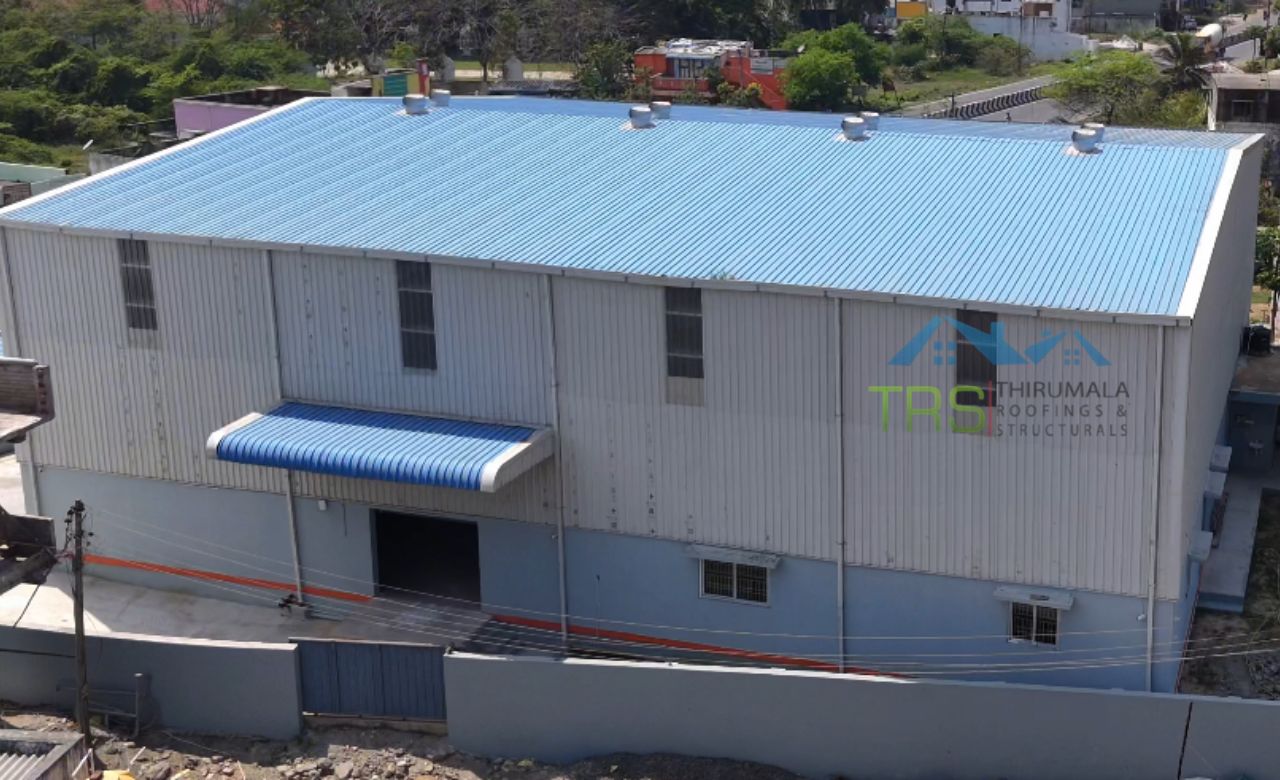
PEB for Textile and Garment
Manufacturing Units
We've spent 13+ years building Pre-Engineered Buildings across Tamil Nadu and those years show in every project we deliver. From warehouses and factory sheds to large industrial buildings, we've completed 386+ projects for businesses that needed structures built right, built fast, and built to last. This guide covers everything textile and garment manufacturers need to know about building with PEB.
PEB for Textile Units Built Right
PEB for textile and garment manufacturing units is quickly becoming the preferred way to build spinning mills, weaving units, and garment factories across Tamil Nadu. Our team walks you through planning, design, structural solutions, and roofing systems — keeping your project on track right from day one.
Get a Free Quote
Fill the form below — we'll get back to you within 24 hours.
Why the Textile Industry
Is Moving Toward PEB
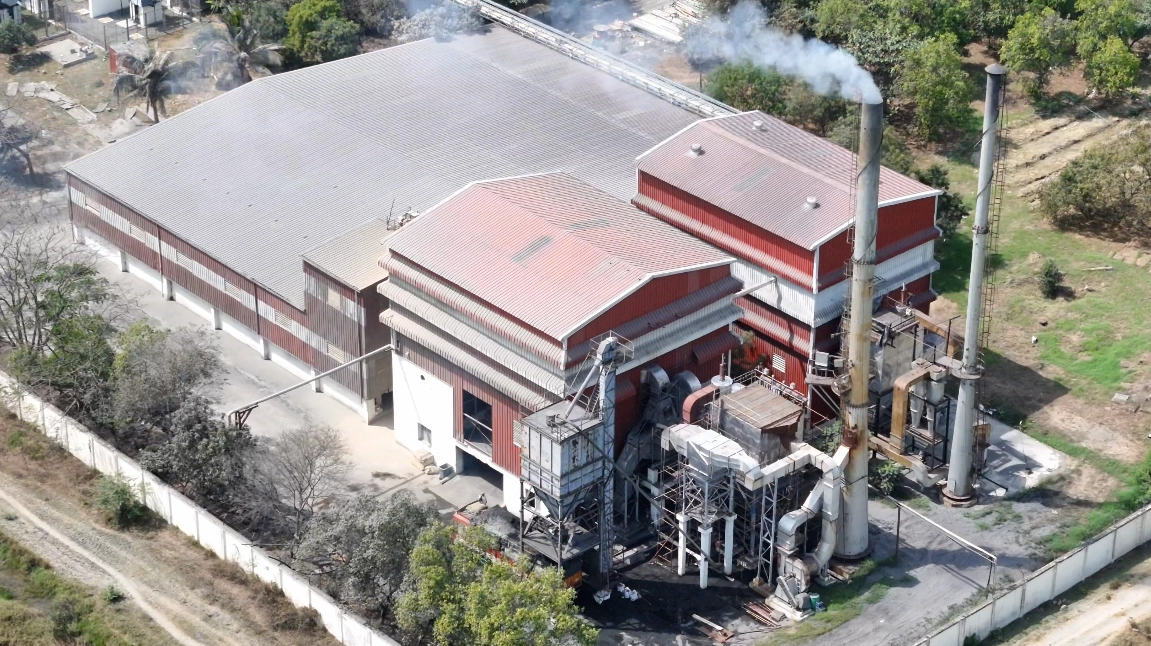
PEB for textile and garment manufacturing units is quickly becoming the preferred way to build spinning mills, weaving units, and garment factories across Tamil Nadu. The textile industry has always needed large, dust-controlled, well-ventilated spaces to run machinery efficiently, and this is exactly where PEB for textile and garment manufacturing units delivers better results than regular RCC construction.
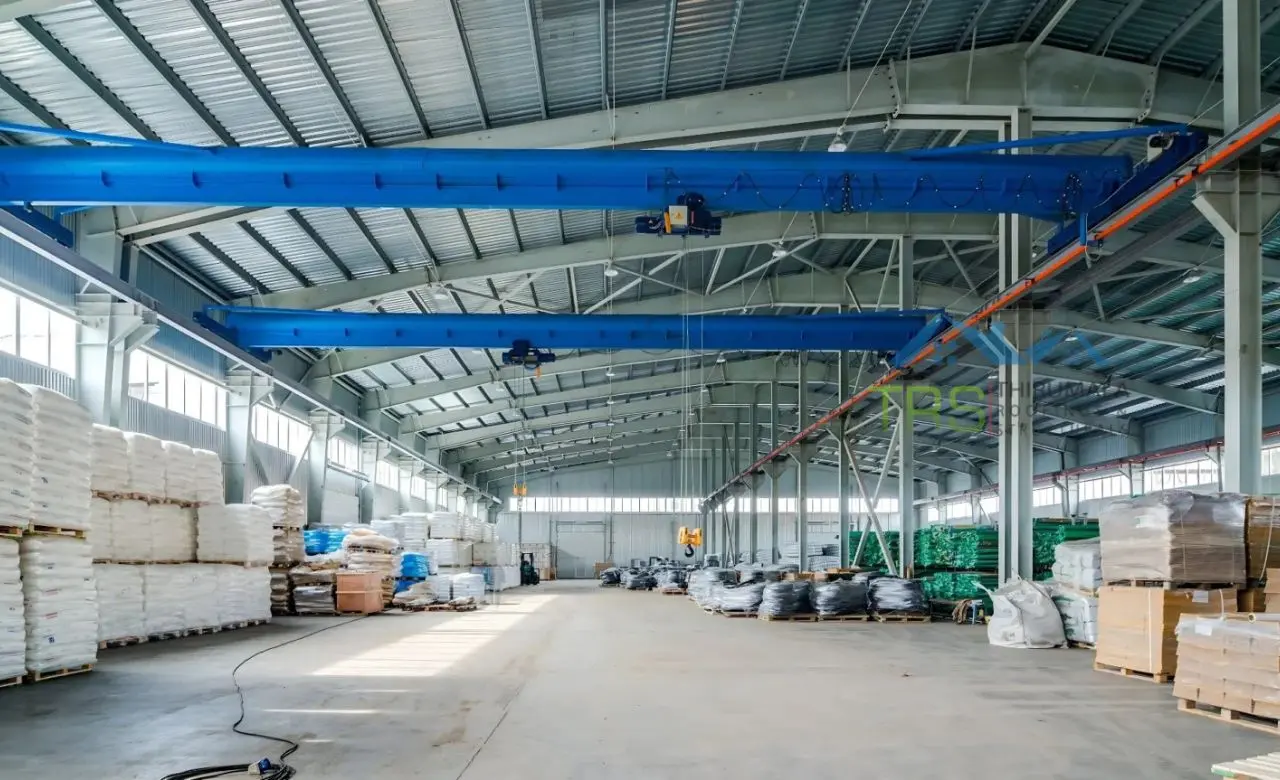
PEB for textile and garment manufacturing units gives mill owners the open floor space that machinery like spinning frames, looms, cutting tables, and stitching lines actually needs. Support columns in the middle of a factory floor get in the way of machine layout and material movement. PEB solves this with wide clear-span steel structures, so mill owners can lay out machinery exactly how they want without working around pillars.
Speed matters here too. Textile businesses often need to scale production quickly to meet seasonal demand or new export orders. Since PEB components are fabricated off-site and just assembled at the location, PEB for textile and garment manufacturing units usually goes up in 8 to 16 weeks. A comparable RCC building can take 6 months or more, which is a big difference when you are trying to catch a production season.
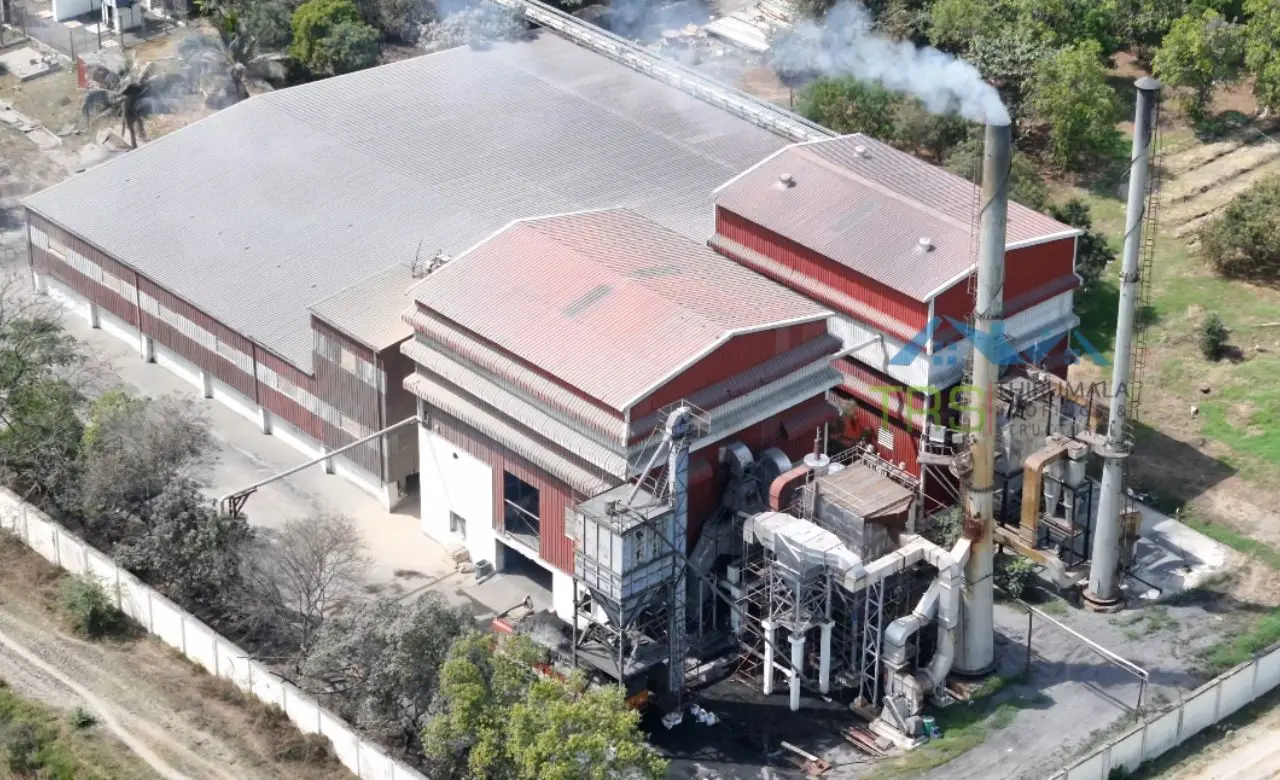
Tamil Nadu, especially regions like Tiruppur, Coimbatore, and parts of Chennai, has long been a textile and garment manufacturing hub, and demand for textile factory construction keeps growing as units expand capacity or set up new facilities closer to logistics and export routes.
Key Design Needs for
Textile and Garment Units
Ventilation and Dust Control
Spinning and weaving generate a lot of airborne fibre and dust. PEB for textile and garment manufacturing units can include proper roof ventilators, turbo vents, and insulated panels that help manage airflow and temperature without letting dust settle everywhere.
This is one of the most important design decisions in a textile PEB. Getting the ventilation wrong means more maintenance downtime, worse working conditions, and potential fire hazards from accumulated fibre.
Natural Lighting
Many textile units prefer skylights or translucent roofing sheets built into the PEB design, which cuts down electricity costs during the day and keeps the shop floor comfortable for workers. Garment cutting and quality checking in particular benefit from good natural daylight, which is far better for colour accuracy than artificial lighting alone.
Polycarbonate sheet panels can be positioned along the roof slope to bring in diffused light without direct glare.
Floor Strength for Heavy Machinery
Spinning frames, looms, and industrial sewing lines are heavy and often run continuously. The flooring and foundation design for pre-engineered buildings for textile industry projects need to account for this vibration and load over long periods. A floor that's not designed for this shows fatigue cracking within a few years.
We work with structural engineers who specify the right slab thickness, reinforcement, and anti-vibration provisions for textile machinery loads from the start.
Fire Safety
Textile material is highly flammable, so fire-rated insulation, proper spacing, and clear evacuation routes are non-negotiable in any textile factory construction project. PEB designs for textile units should include fire-retardant panel options, adequate escape routes, and fire suppression system provisions built in from the layout stage.
Spacing between production areas, material storage zones, and utility rooms all needs to be carefully planned rather than retrofitted after the building is up.
PEB vs Conventional Construction
for Textile Units
| Factor | PEB Construction | RCC Construction |
|---|---|---|
| Construction Timeline | 8 to 16 weeks from fabrication to handover PEB Wins | 6 months or longer |
| Open Floor Space | Wide clear spans without internal columns PEB Wins | Limited by beam and column spacing |
| Future Expansion | Bay-by-bay addition without shutting down operations PEB Wins | RCC expansion is far more disruptive and costly |
| Ventilation and Lighting | Built-in vents and skylights easily integrated during design PEB Wins | Needs separate retrofitting, harder to integrate |
| Cost Per Square Foot | Generally lower due to faster build and less material waste PEB Wins | Generally higher |
Common Applications in the
Textile and Garment Sector
Spinning Mills
PEB for spinning mills gives manufacturers the wide, open floor area needed for rows of spinning frames, along with proper ventilation to manage heat and dust from continuous machine operation. The structure can be designed with specific bay widths that suit spinning frame row spacing, minimizing wasted floor area.
Weaving and Processing Units
Weaving looms and dyeing or processing lines both need strong floors and good airflow, both of which PEB structures for garment factories are built to handle. Processing units also need provisions for drainage and chemical resistance, which can be incorporated at the foundation and flooring stage.
Garment Stitching and Cutting Units
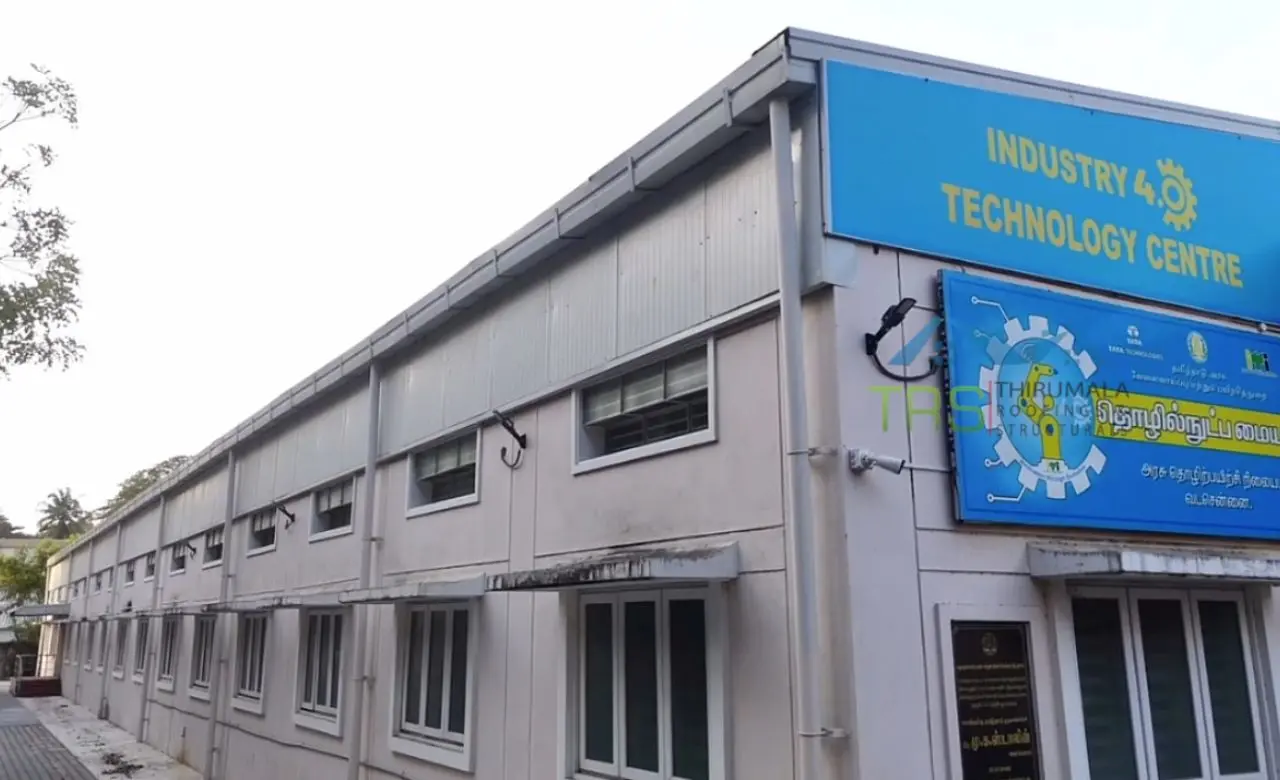
These units usually need a cleaner, well-lit environment for cutting tables and stitching lines, which PEB design can support through better daylighting and layout flexibility. The column-free interior lets cutting table rows and stitching machine lines be arranged in the most productive sequence without structural interference.
Warehousing for Raw Material and Finished Goods
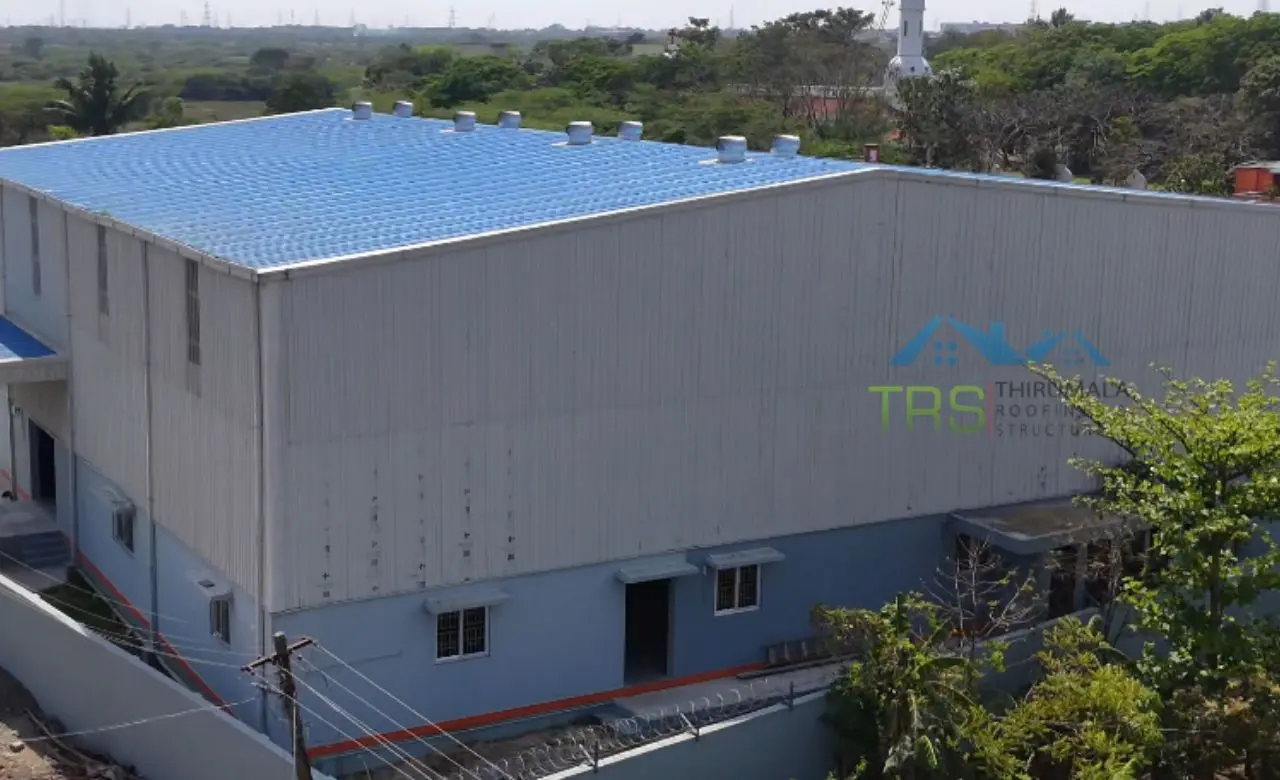
Textile businesses also need storage for raw cotton, yarn, or finished garments, and industrial sheds for garment units are a fast, cost-effective way to add this storage alongside the main production unit. Separate storage bays can be added to an existing PEB structure without major construction.
Why Work With a Local PEB Manufacturer
for Textile Projects
PEB for textile and garment manufacturing units works best when built by a local manufacturer who understands the region. Faster delivery of fabricated steel, easier site coordination, and better understanding of Tamil Nadu's climate and regulatory requirements all matter when you are trying to get a mill running on schedule.
Thirumala Roofings & Structurals, based in Chennai with its own fabrication facility in Paraniputhur, has been building pre-engineered buildings for textile industry clients and other industrial sectors since 2013, with a production capacity of 600 MT per month and 386+ completed projects across Tamil Nadu.
Faster Steel Delivery
Our fabrication facility in Paraniputhur means shorter transit times from factory to your site anywhere in Tamil Nadu.
Better Site Coordination
Local teams are easier to reach and quicker to respond to site issues without the delays that come with a distant contractor.
Regional Climate and Regulatory Knowledge
We understand Tamil Nadu's humidity, wind patterns, and local building approvals — all of which affect a textile unit's design.
Our PEB Services
PEB Factory Building
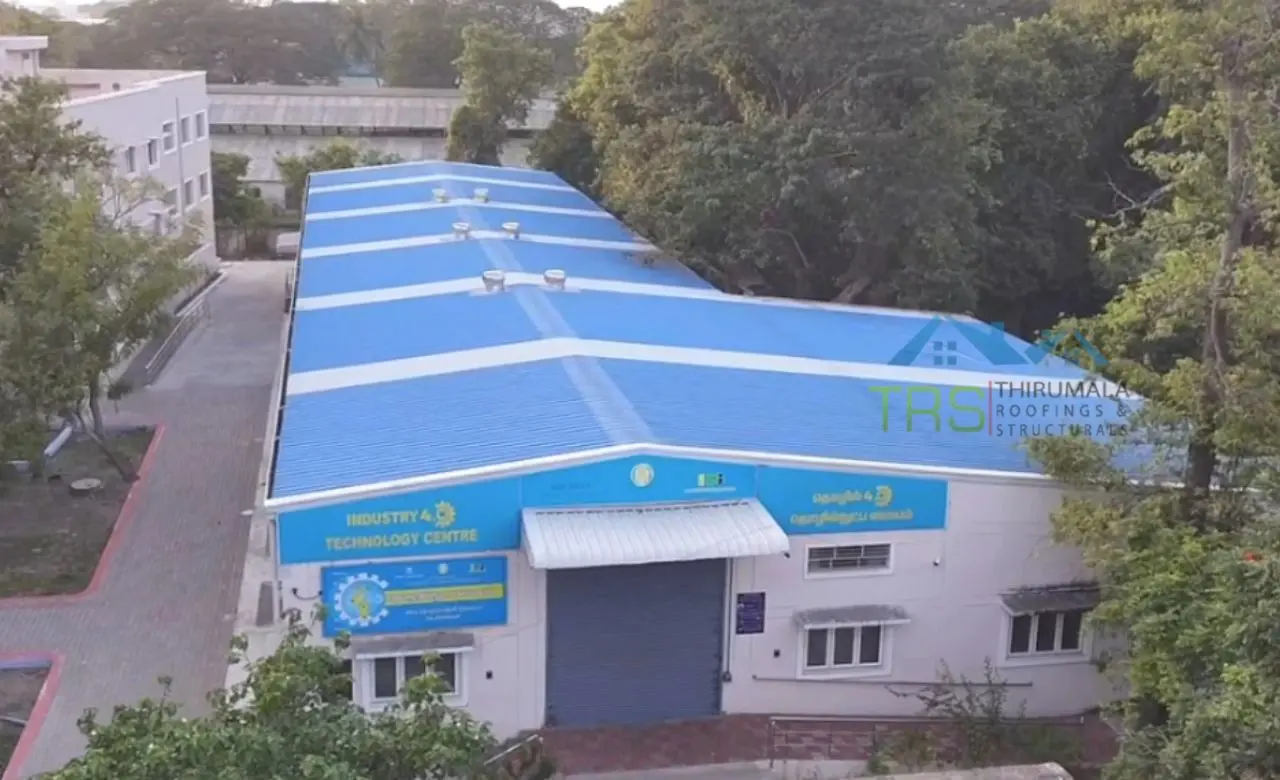
Pre-engineered factory structures built for fast, durable production spaces.
Read MoreIndustrial Shed Fabrication
Precision-fabricated industrial sheds built to handle heavy operations.
Read More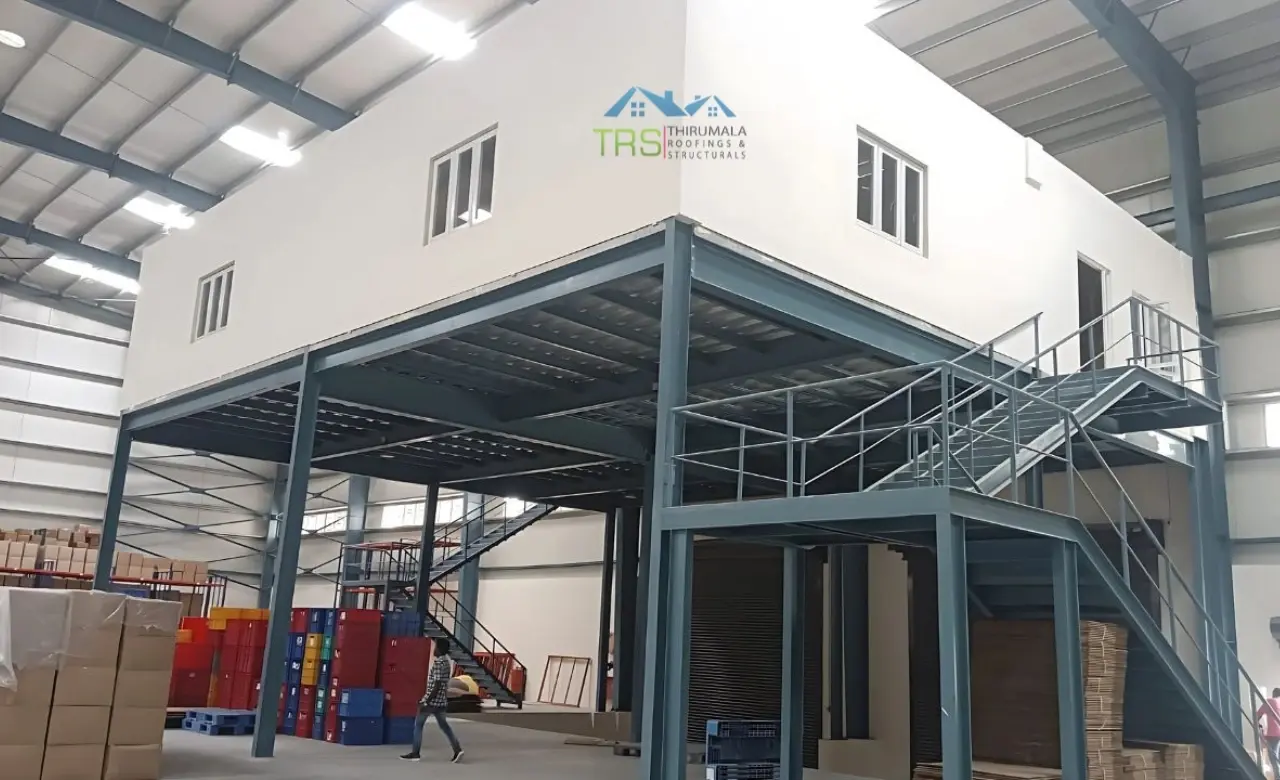
PEB Cold Storage Building
Insulated, temperature-controlled steel structures for cold storage units.
Read More
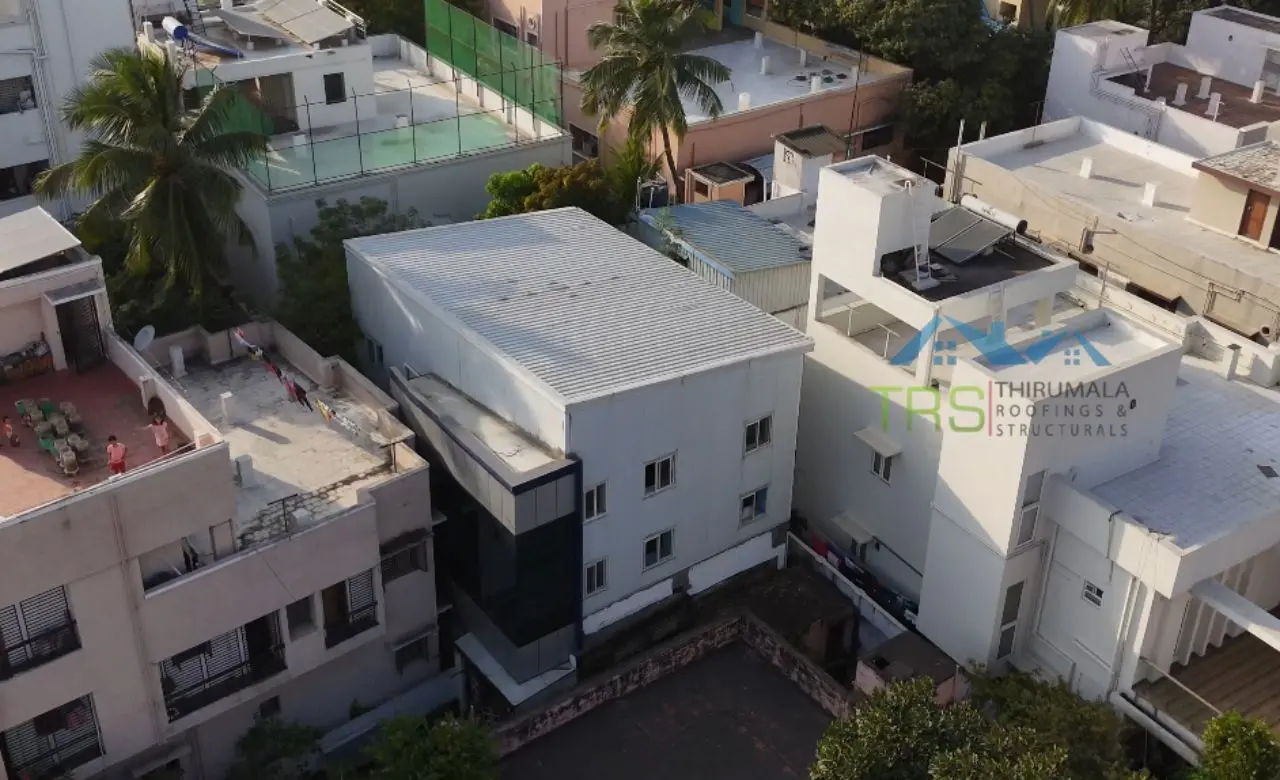
PEB Multi Storey Building
Multi-level steel structures engineered for strength and faster construction.
Read More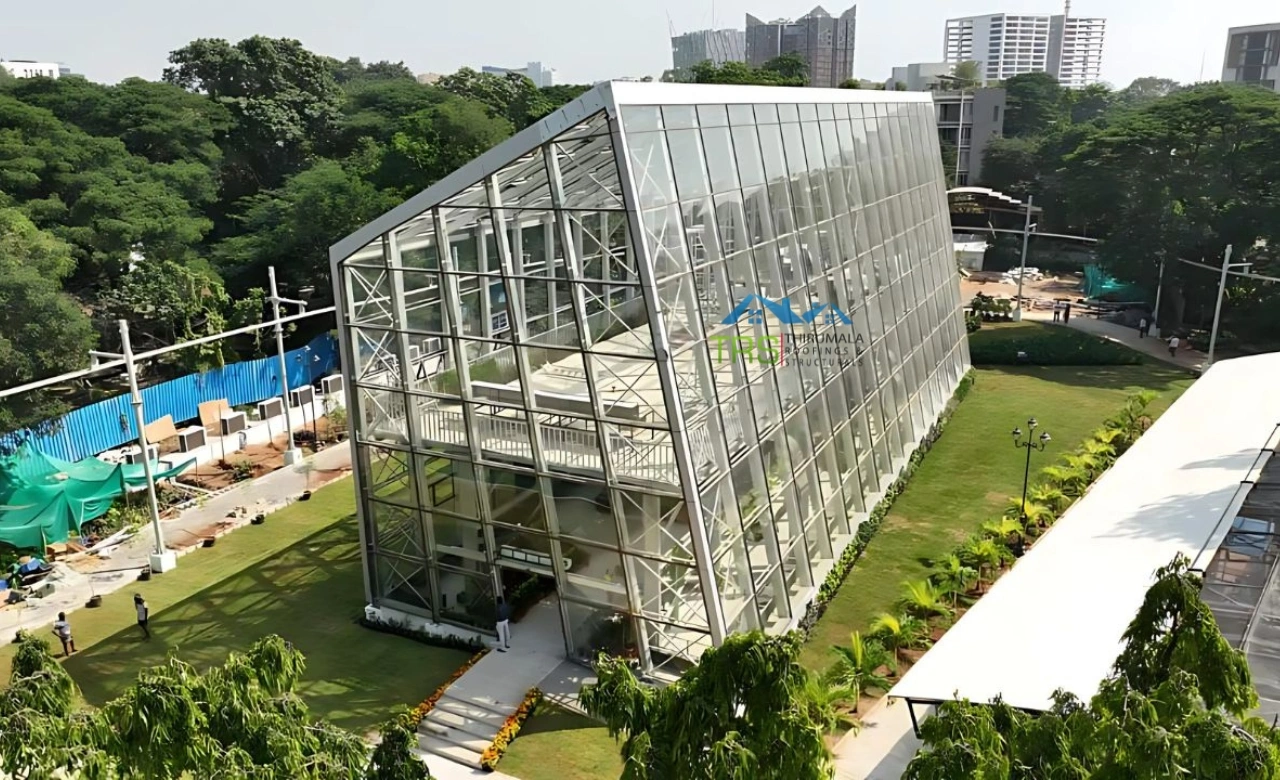
Glass Building Construction
Modern glass-and-steel facades combining aesthetics with structural strength.
Read MoreFrequently Asked Questions
PEB for Textile and Garment Units
Ready to Build Your Textile or
Garment Manufacturing Unit?
Get a free site visit and consultation from our expert team, no obligation, no jargon. Just straight, honest engineering advice for your textile or garment unit — ventilation, clear spans, machinery loads, fire safety, and everything else that actually matters for the building you need.
At Thirumala Roofings & Structurals, we've been building factories, mills, and industrial sheds across Tamil Nadu since 2013. We know what a textile unit needs to work well for the next 30 years, and we design for that from day one.
386+ projects completed. 13+ years building across Tamil Nadu. Call us to get started.