Industrial Factory Construction Process: A Complete Guide
Thirumala Roofings & Structurals handles complete industrial factory construction projects across Chennai and Tamil Nadu, covering design, fabrication, and erection entirely in house at our Paraniputhur facility. With over 13 years of experience and 386 plus completed projects, we manage the full factory construction process from site survey to handover.
Build Your Factory With Experts
Most people don't think too hard about the factory construction process until they're deep into it and things start slipping. A deadline moves. A contractor goes quiet. Costs creep up in ways nobody explained upfront. Tamil Nadu's industrial corridors, Sriperumbudur, Oragadam, Hosur, are growing fast, and with that growth comes a flood of contractors promising fast industrial factory construction without the experience to actually deliver it. Here's the thing though. The way your factory gets built determines how it performs for the next 20 plus years. Steel quality, fabrication standards, whether the crew actually shows up when they say they will, all of it matters more than people realize going in. This guide walks through the full process so you know what to expect and what to ask before signing anything.
Get a Free Quote
Fill the form below — we'll get back to you within 24 hours.
What Does the Industrial Factory
Construction Process Actually Involve?
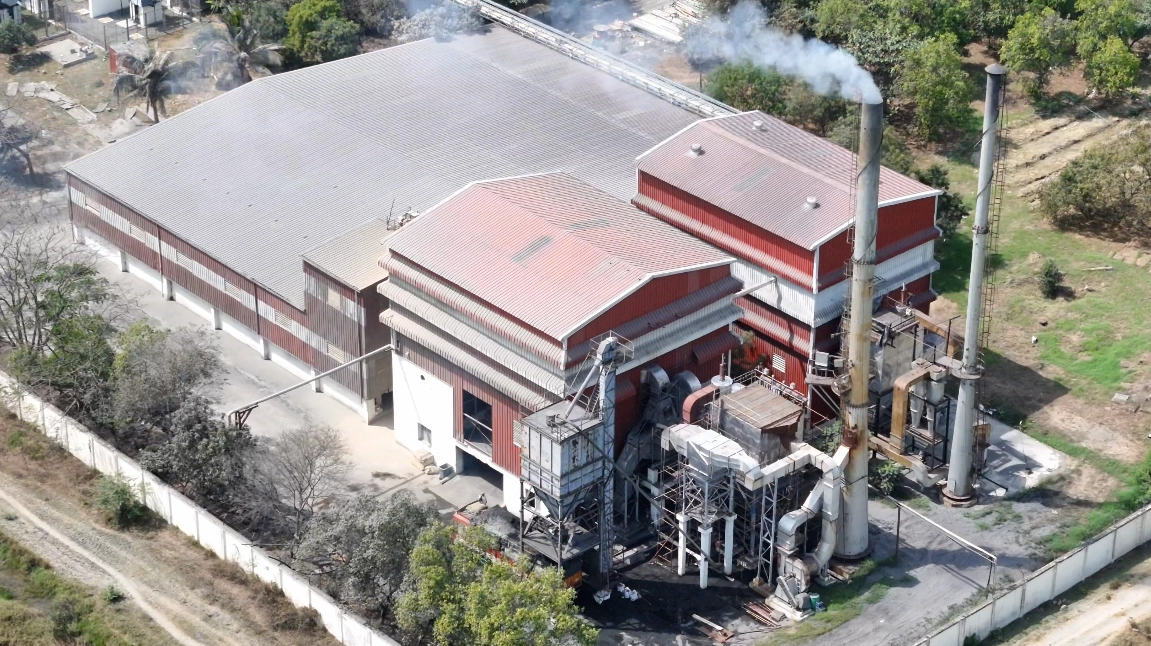
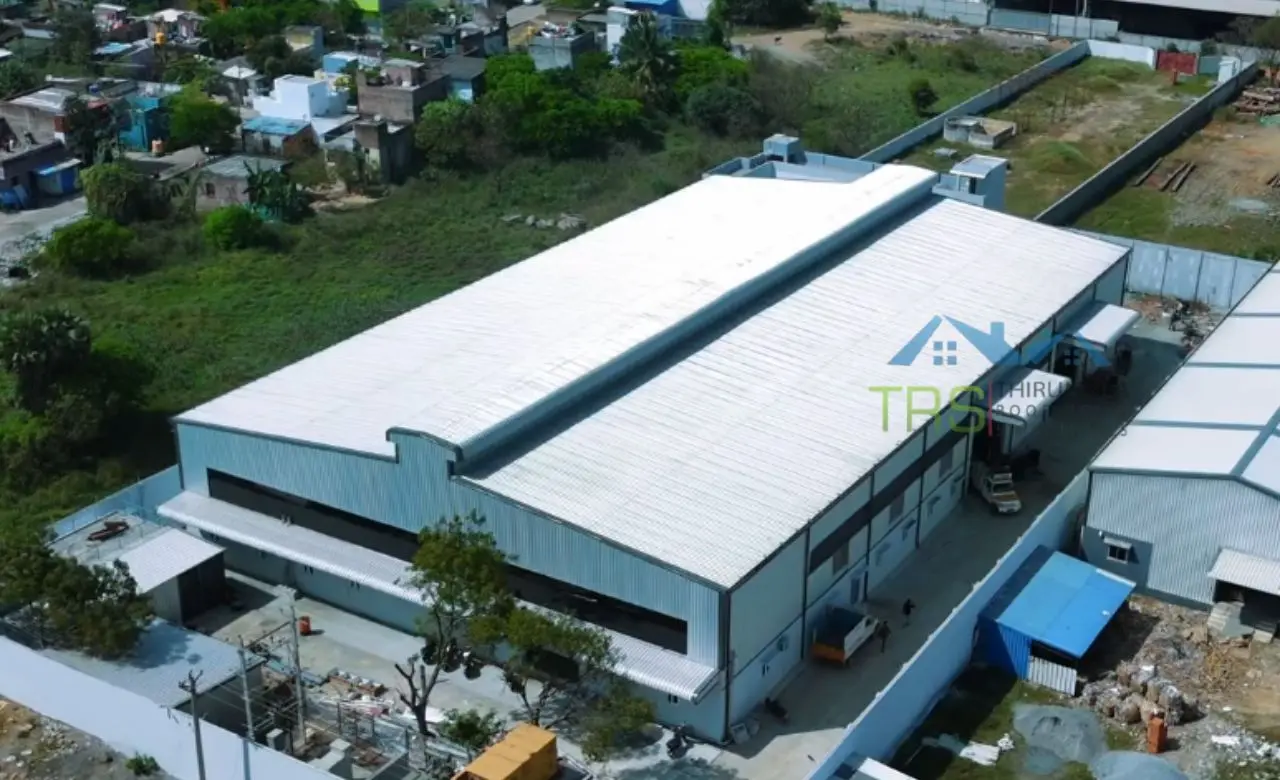
People assume it's just steel going up on a plot. It isn't. Industrial factory construction covers the entire journey, site survey, design, fabrication, transportation, erection, roofing, cladding, and final finishing. Every stage connects to the next, and skipping or rushing any one of them shows up later as a problem nobody wants to deal with.
What separates modern factory building construction from old school RCC methods is where the work actually happens. Steel components get fabricated off site, at a controlled facility, cut and welded and assembled under conditions nobody's fighting the weather in. Then it all gets transported and erected on your plot. Faster, more consistent, and when it's done properly, structurally sound in ways conventional construction often isn't.
The better contractors won't chop this into five different subcontracts either. One team handles the whole factory construction process, start to finish. That's what turnkey is supposed to mean, not a buzzword on a brochure.
Step by Step Industrial Factory
Construction Process
Knowing each phase helps you ask sharper questions before committing to a contractor.
Site Survey and Requirement Analysis
Every serious industrial factory construction project starts with understanding the site and the operation. Soil bearing capacity, drainage, access roads for heavy transport, plus what the factory floor actually needs to accommodate, machinery layout, crane requirements, clear span, ceiling height. Contractors who rush through this or skip it entirely, that's a red flag worth paying attention to.
Structural Design and Engineering
While permits and site prep move forward, steel components get fabricated off site using CNC cutting, plasma cutting, and automated welding. This is where PEB factory building genuinely outpaces conventional methods, fabrication happens in parallel with groundwork rather than waiting on it. Firms with in house fabrication facilities keep tighter quality control than those subcontracting this step out.
Steel Fabrication
Drawings get submitted for local authority approval, along with fire safety and environmental clearances where required. For industrial shed construction, this often includes occupational safety checks too, since factories carry different risk profiles than a warehouse or office building.
Permits and Regulatory Approval
Detailed drawings get produced next, covering wind load, seismic factors, roof load, and column spacing specific to your site's conditions. Chennai's coastal climate demands different calculations than an inland location, so this isn't a copy paste step. Reputable firms handling factory building construction share these drawings with you before fabrication starts. If a contractor won't show you the design before work begins, walk away.
Foundation Work
Excavation and concrete work proceed according to the engineered plan, with anchor bolts positioned to exact tolerances. A misaligned bolt causes real problems once erection starts, so nobody worth hiring rushes this phase, no matter how eager everyone is to see steel go up.
Transportation and Erection
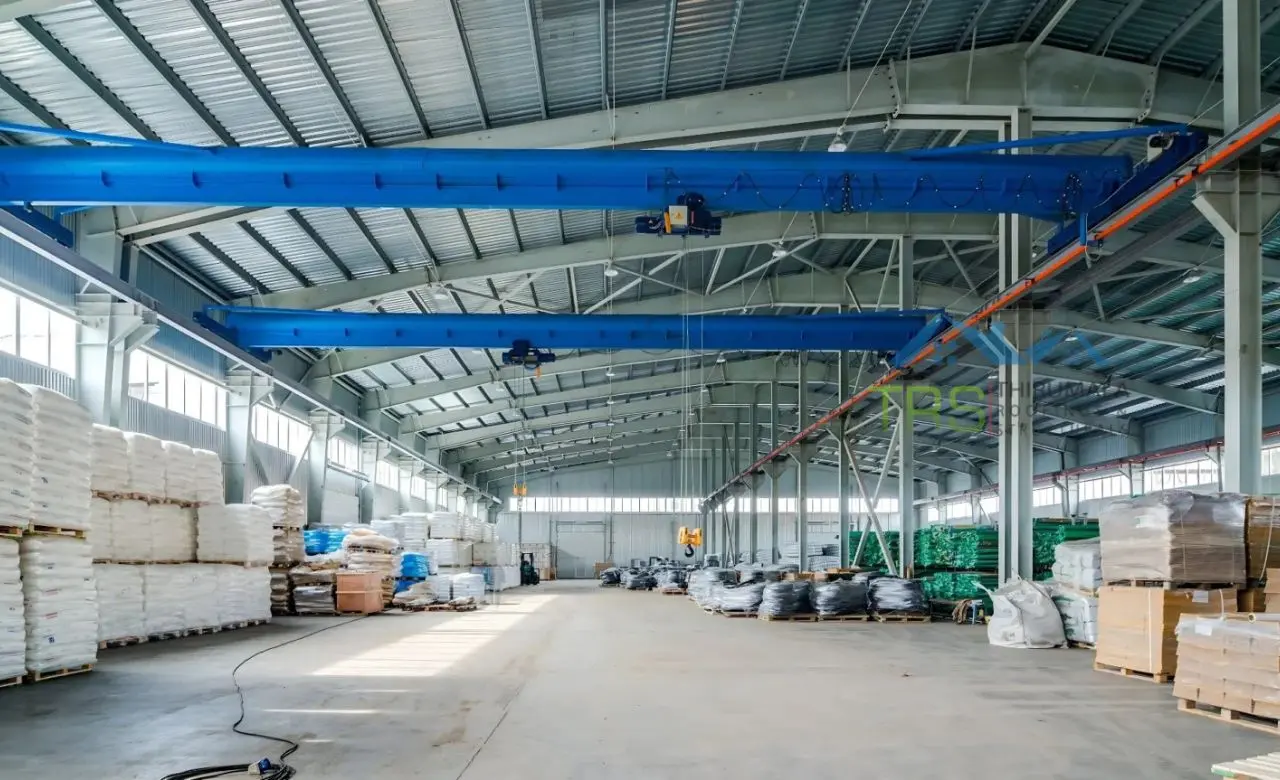
Fabricated components move from the facility to site and get assembled by experienced erection crews. Because everything in PEB factory building was fabricated to fit precisely, crews bolt connections together instead of field welding, which keeps quality consistent and the timeline tight. Less improvisation on site means fewer surprises later.
Roofing and Wall Cladding
Roofing sheets and cladding go on once the frame stands. For any factory building construction project, this stage determines a lot about long term performance, water tightness, thermal insulation, and how well the structure handles Chennai's summer heat. Poor sheeting work here is one of the most common causes of leaks down the line, so it doesn't get treated as an afterthought.
MEP, Flooring, and Finishing
Electrical, plumbing, fire safety, and ventilation systems go in once the building is weatherproof, usually running alongside flooring and interior partition work. Industrial flooring needs to handle heavy machinery and constant forklift traffic, so it gets the same attention as the structural steel above it.
Final Inspection and Handover
Before handover, a full structural inspection checks every connection, seal, and system against the original design and applicable safety codes. Any gaps get fixed here, not after you've moved equipment in.
Standard timeline for most industrial factory construction projects across Tamil Nadu runs 8 to 16 weeks depending on scale, though larger facilities with complex MEP requirements can take longer.
Why Choose Pre-Engineered Construction
For Your Factory
Speed is part of the appeal, but it's not the whole story. PEB factory building typically uses 20 to 30 percent less steel than conventional fabrication for the same span, which brings costs down without compromising strength. Lower long term maintenance, better structural consistency across the build, and the ability to expand later without demolishing anything, these matter just as much as how fast the shed goes up.
If you're comparing industrial shed construction options for an upcoming project, understanding the full sequence end to end puts you in a stronger position. You'll know what questions to ask, what timeline is realistic, and where quality actually gets decided during the build, usually long before the roof goes on.
Why Choose Thirumala Roofings
for Your Factory Construction
13+ Years Experience
Delivering industrial factory construction projects across Tamil Nadu since 2011.
386+ Projects Completed
A proven track record across manufacturing, automotive, textile, and logistics sectors.
In House Fabrication
Full fabrication control at our Paraniputhur facility, no subcontracted steel work.
IS Certified Steel
Every factory building construction project uses IS certified mild steel or high tensile steel, sourced from SAIL, JSPL, or Tata Steel.
One Team, One Scope
A single point of accountability from site survey through to final handover.
Our PEB Services
Pre Engineered Buildings
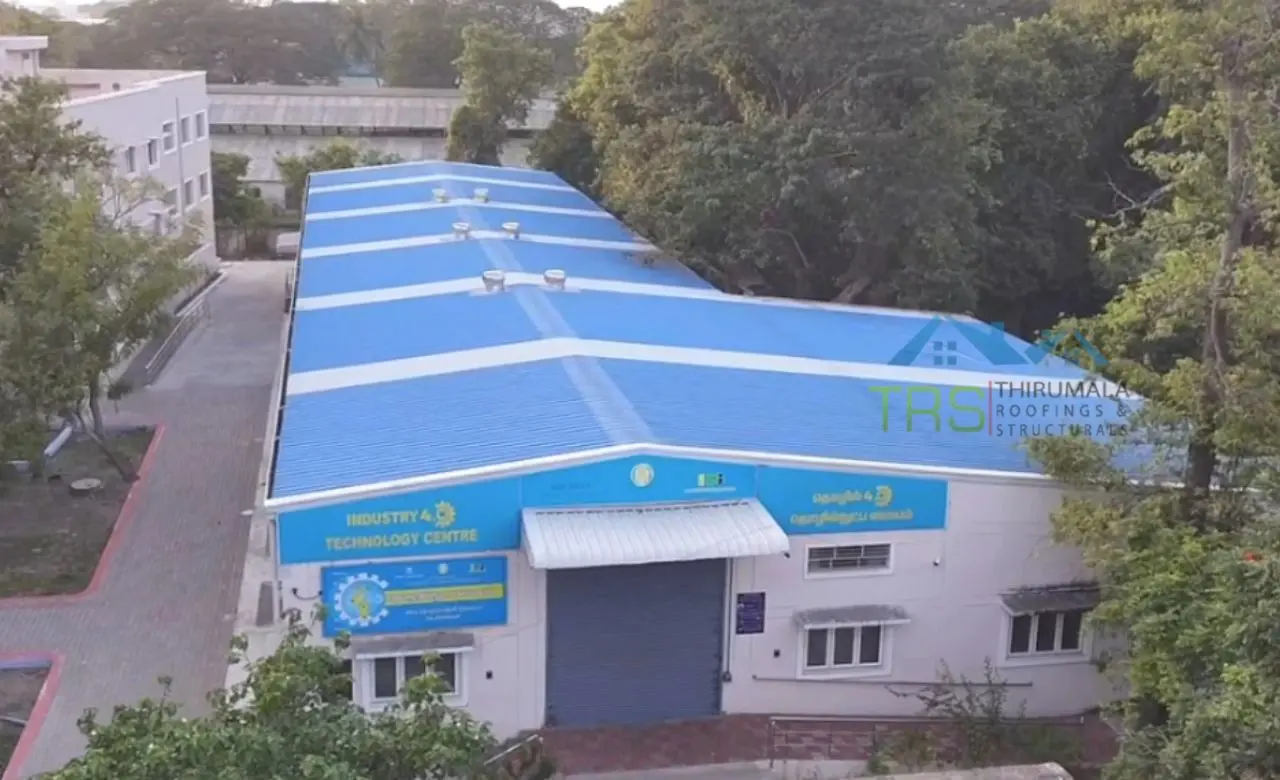
Complete PEB solutions designed and fabricated for speed and structural strength.
Read MorePEB Factory Building
Pre-engineered factory structures built for fast, durable production spaces.
Read MoreIndustrial Shed Fabrication
Precision-fabricated industrial sheds built to handle heavy operations.
Read More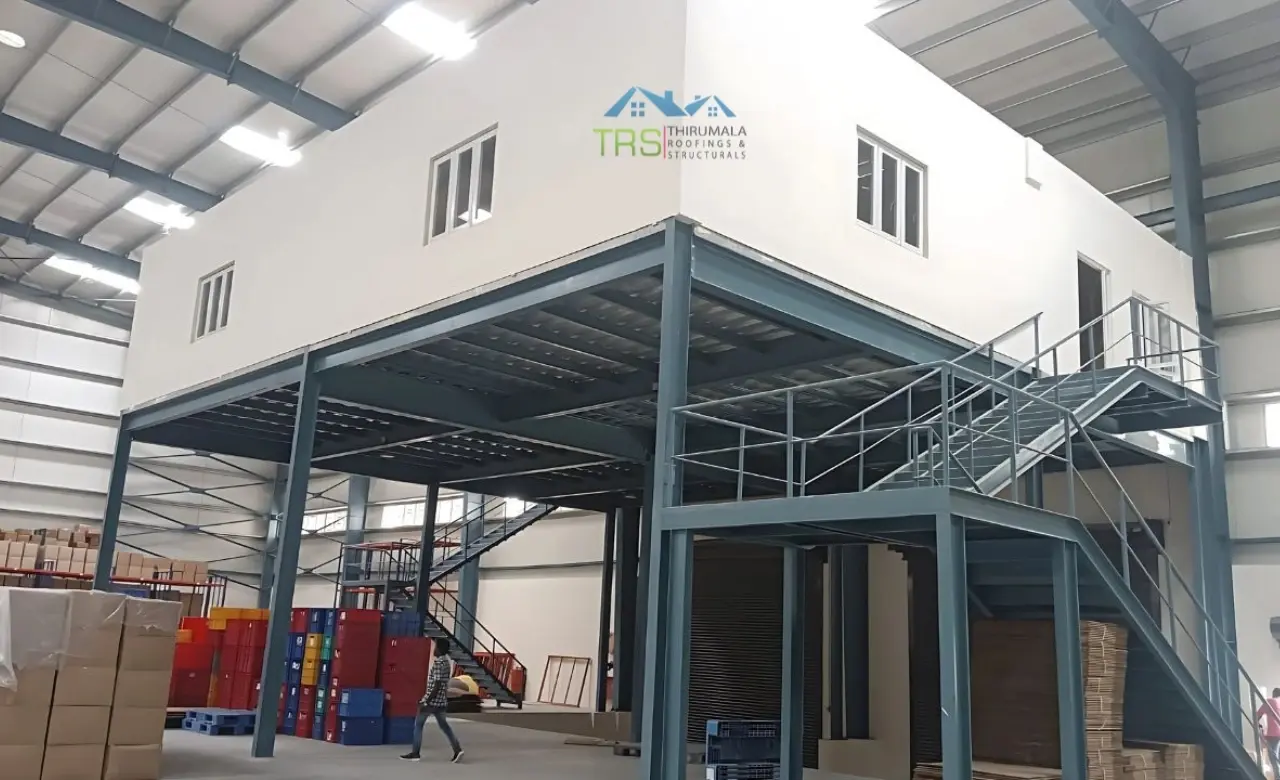
PEB Cold Storage Building
Insulated, temperature-controlled steel structures for cold storage units.
Read More
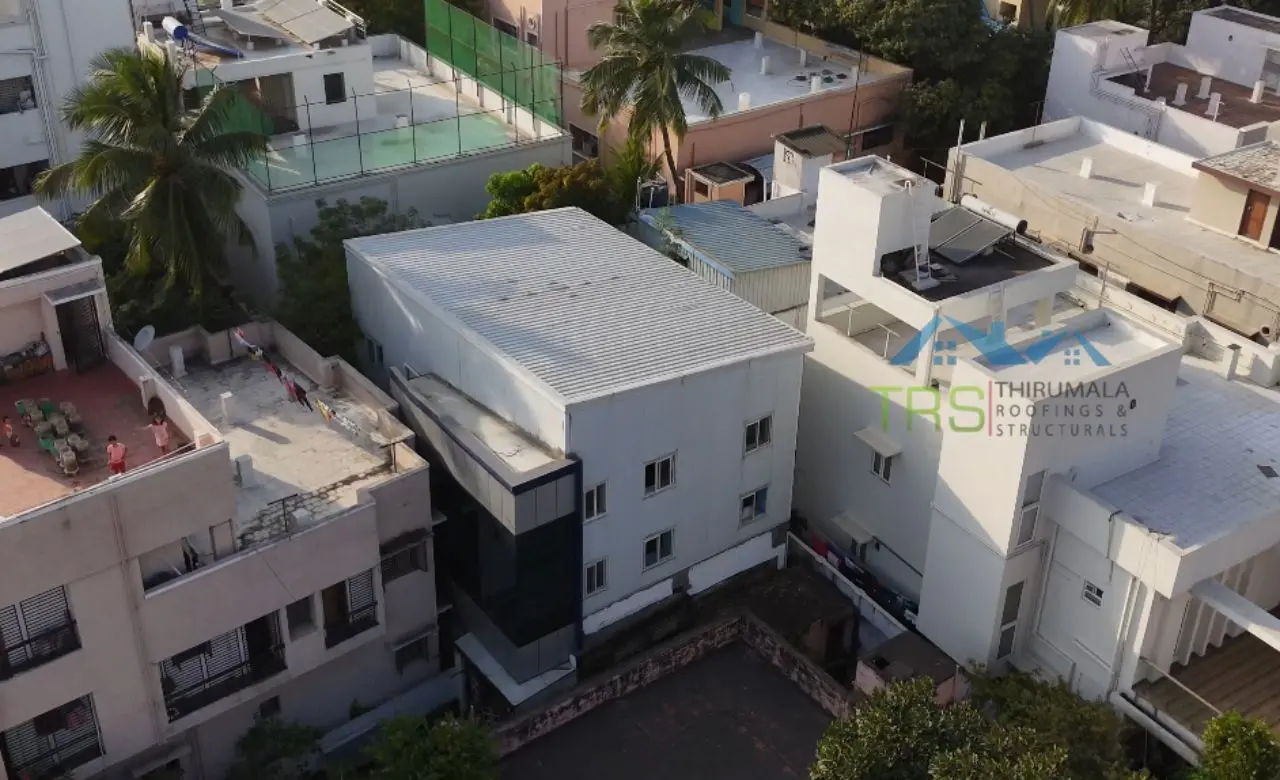
PEB Multi Storey Building
Multi-level steel structures engineered for strength and faster construction.
Read More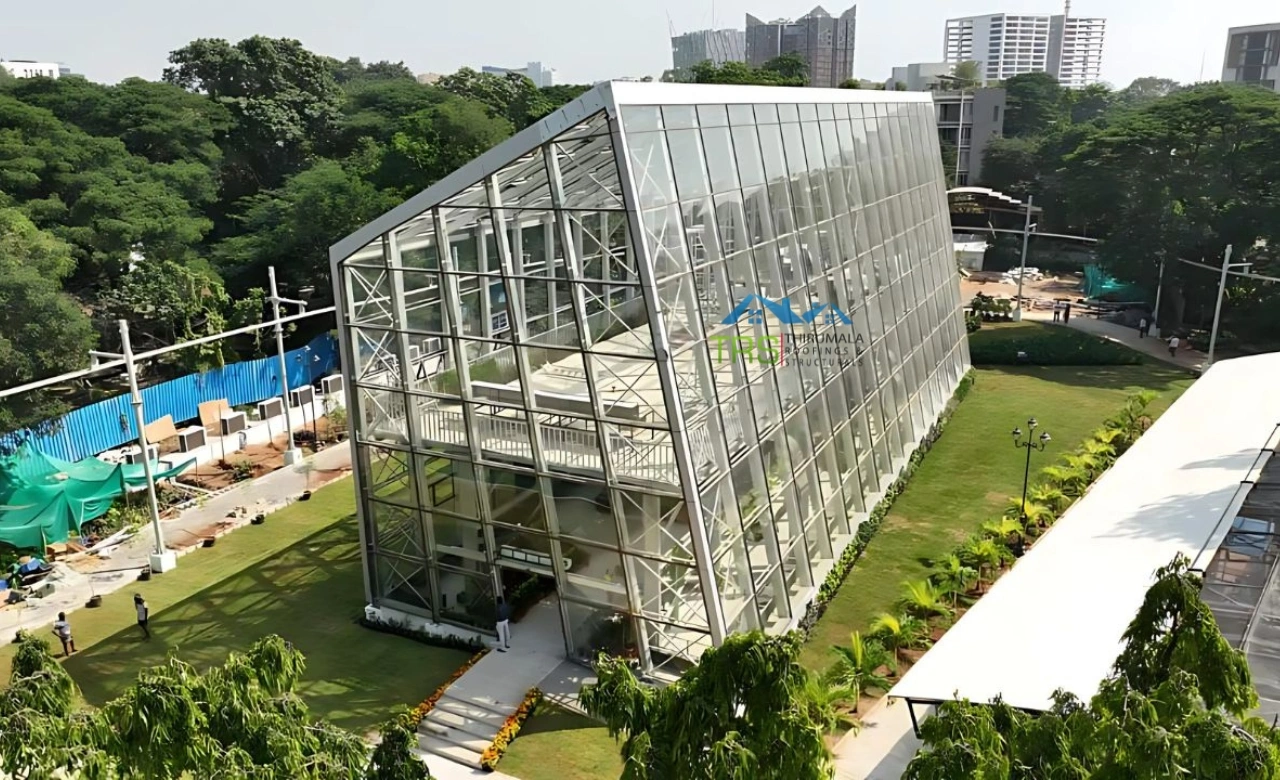
Glass Building Construction
Modern glass-and-steel facades combining aesthetics with structural strength.
Read More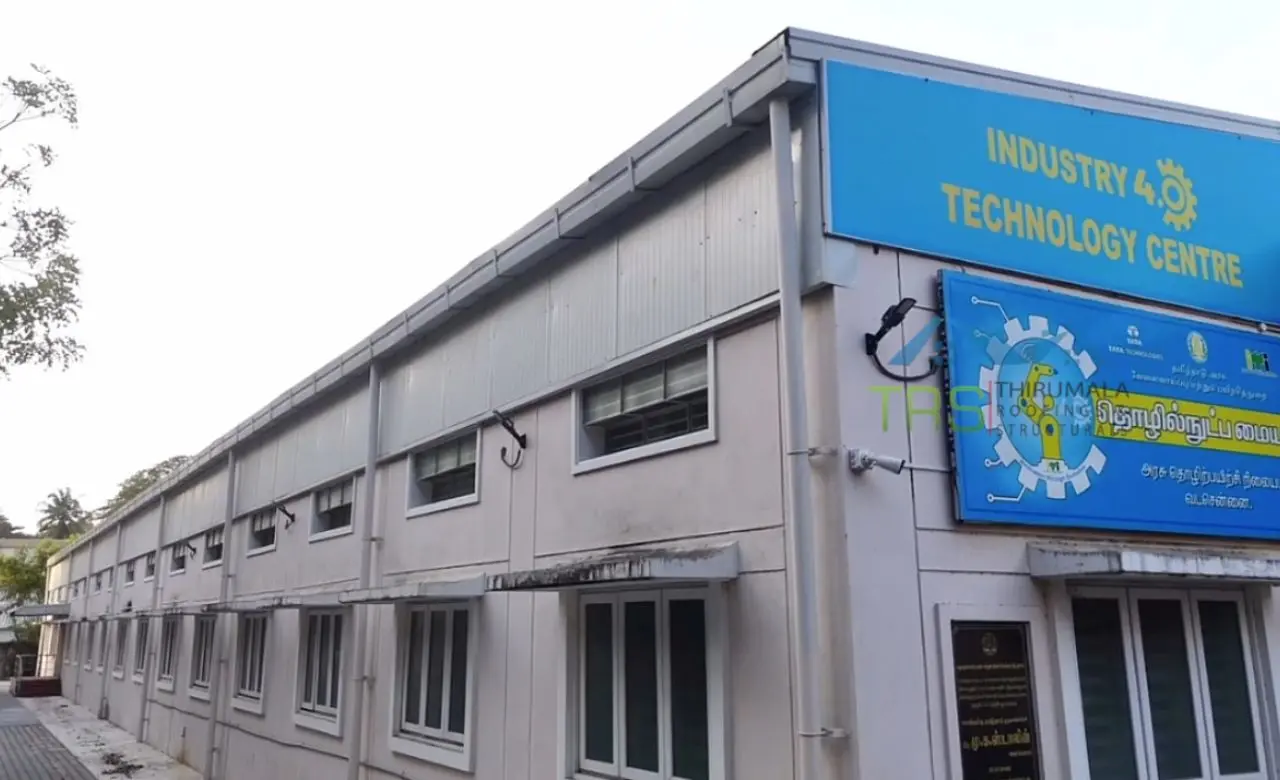
Conventional Steel Buildings
Reliable conventional steel buildings built to last for decades.
Read MoreFrequently Asked Questions
PEB Manufacturers in Chennai
Ready to Start Your Factory Construction Project?
Thirumala Roofings & Structurals is one of Chennai's most trusted names in industrial factory construction. Over 13 years of experience, 386 plus completed projects, in house fabrication at Paraniputhur, and IS certified steel used throughout. One team handling everything from site visit to handover.
Great content! Keep up the good work!