
Mezzanine Floor Construction Details
Someone always assumes Mezzanine Floor Construction details are basically bolting a platform into empty space. It isn't, not if it's done properly. There's real structural engineering behind it, and the mezzanine floor construction details matter more than most people realize until something goes wrong with a badly built one.
PEB Building With Experts
The honest picture is that mezzanine floor construction details involve several distinct stages, each one affecting how the final structure performs over time. Skip a step or rush through it, and you end up with a floor that looks fine on day one but starts showing problems within a few years.
Get a Free Quote
Fill the form below — we'll get back to you within 24 hours.
Why This Isn't As Simple
As It Looks
A lot of business owners think adding a Mezzanine Floor Construction is just a matter of installing some steel beams and a deck. In reality, understanding proper mezzanine floor construction details starts long before any steel gets fabricated. It starts with understanding exactly what the space needs to do, and how much weight it actually needs to carry.
A mezzanine typically shouldn't exceed a certain share of a building's total floor area without triggering different code requirements, and that limit shapes the mezzanine floor construction details from the very beginning. Load capacity gets worked out first, before anything else. A structure built for light office use looks completely different from one built to support heavy machinery or constant foot traffic. Get the mezzanine floor construction details wrong at the planning stage and no amount of good fabrication later will fix it.
How Mezzanine Floors Are
Built, Step by Step
Understanding how mezzanine floors are built helps explain why the mezzanine floor construction details take the time they do. It's not one step, it's several, each one feeding into the next.
Requirement Analysis Comes First
This is where load capacity, floor height, access points, staircase placement, and intended use all get documented properly. Getting these mezzanine floor construction details right from the start is where most badly built mezzanine floors avoid going wrong.
Column Planning Happens Early Too
The number of columns and how they're spaced directly affects how much load each one carries, and this is one of the more technical mezzanine floor construction details worth understanding. Fewer columns mean each one bears a heavier share, which usually calls for stronger base plates and deeper footings underneath. Get the column layout wrong and everything built above it inherits the problem.
Design and Planning Follow Next
Precise CAD drawings get created, following IS 800:2007 standards for structural steel design. This is also where load capacity gets calculated mathematically, not estimated by eye. These are the mezzanine floor construction details that separate a structure built to spec from one that just looks sturdy.
Fabrication Happens at a Controlled Facility
This is a core part of the mezzanine floor fabrication process, and it's where consistency either holds up or falls apart. Components fabricated in a controlled factory setting, rather than assembled roughly on site, behave predictably because every piece goes through the same quality checks. Reliable mezzanine flooring manufacturers in Chennai treat these mezzanine floor construction details as non negotiable, not something to rush.
Bracing Gets Added for Stability
Knee braces and cross braces are common ways to reinforce a structure carrying heavy loads or equipment, and they're among the mezzanine floor construction details that get overlooked most often. They add real strength, though they can also limit clear access underneath the mezzanine if not planned carefully. Bolting at the top joints instead of welding is one way to keep the space below more open without sacrificing stability.
Logistics and Delivery Come After Fabrication
Fabricated components get transported to the site on a planned schedule, timed so installation can begin without delays sitting around waiting on parts.
On Site Assembly Is the Final Physical Stage
Most projects get assembled with minimal disruption to daily operations, since businesses can't afford to shut down a working facility for weeks at a time.
Quality Checks Close Out the Process
Structural performance, load safety, and long term durability all get confirmed before handover. This step is often rushed by less careful contractors, and it's usually where the mezzanine floor construction details that show up later could have been caught early.
What Determines
Load Capacity
Load capacity isn't a single number pulled from a catalog. It depends on several mezzanine floor construction details working together, and getting any one of them wrong compromises the whole structure.
Steel grade and certification matter first. IS certified steel behaves predictably under sustained load, while uncertified steel from an unclear source is a gamble that might not show its true weakness for years.
Deck thickness plays a bigger role than people expect too, and it's one of those mezzanine floor construction details that's easy to underestimate. A thinner gauge might technically hold the intended load, but it can still flex or feel unstable underfoot, which matters a lot if the mezzanine is being used as office or retail space rather than pure storage. Once installed, deck thickness isn't something that gets easily changed, so it needs to be right the first time.
Column spacing and beam sizing come next. Wider spans need heavier beams and more carefully calculated support points. This is precisely why the mezzanine floor fabrication process depends so heavily on proper CAD planning rather than rough on site adjustments made mid build.
Slab capacity underneath matters just as much as anything built above it, and it's one of the mezzanine floor construction details clients ask about most. General guidance across the industry separates load ratings roughly by use, lighter ratings for office or platform use, moderate ratings for general storage and light manufacturing, and much higher ratings for heavy storage or manufacturing environments. Soil condition below the slab affects this too, unstable or sandy ground sometimes needs extra reinforcement before it can safely carry a mezzanine's weight.
What Good Mezzanine Flooring
Services in Chennai Actually Include
Genuine mezzanine flooring services in Chennai cover far more than just installing steel. A complete service includes requirement analysis, column and load planning, CAD engineered design, in house fabrication, planned logistics, on site assembly, and a real quality inspection before handover, all of which fall under proper mezzanine floor construction details. Anything less than that full chain tends to show up as a weak point somewhere down the line.
Local conditions matter too. Coastal humidity and monsoon exposure affect how steel components need to be coated and protected, even for structures built entirely indoors, since humidity doesn't stop at a warehouse wall. Steel remains the standard choice here because it handles heavy loads without sagging over time, and it installs considerably faster than alternative construction methods or permanent building extensions.
Common Mistakes
to Watch For
Underspecifying Load Capacity
The most common and most costly mistake among poorly handled mezzanine floor construction details. A structure quoted for light storage but later used for heavy equipment will show stress and fatigue long before it reasonably should.
Skipping Proper CAD Planning
Builds done without precise drawings tend to result in spacing issues, uneven load distribution, or access points that don't actually work well in practice once the space is in daily use.
Ignoring Code Compliance
An easy mistake to make without realizing it. Mezzanine structures need to follow local and national building regulations just like any other construction project, and cutting corners on these mezzanine floor construction details creates problems that surface much later, often during an inspection rather than during actual use.
Choosing Manufacturers Who Subcontract
Choosing mezzanine flooring manufacturers in Chennai who subcontract the work without direct oversight causes consistency problems too. When nobody controls the fabrication process directly from start to finish, one batch of components might meet spec while another quietly doesn't, and there's no reliable way to tell which is which once everything gets assembled and painted over.
What a Proper Build
Actually Looks Like
A properly executed project starts with a thorough site visit and honest requirement analysis. It moves through column and load planning, CAD engineered design work, then in house fabrication under controlled conditions, then careful on site assembly, and finally a real quality inspection before handover, covering every stage of proper mezzanine floor construction details.
Each stage feeds directly into the next. Rush any one of these mezzanine floor construction details, or hand it off to a contractor who subcontracts without oversight, and the finished floor will show it eventually, even if it looks perfectly fine on the day it's completed.
Our PEB Services
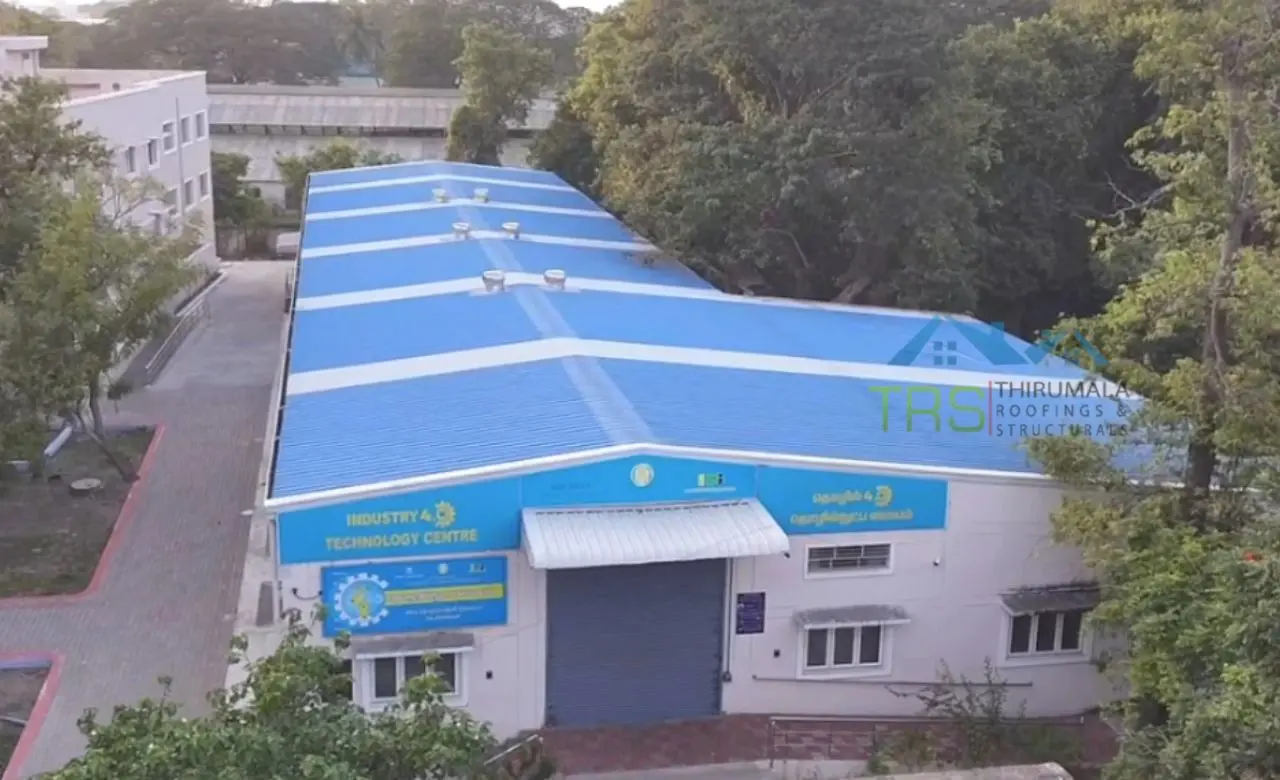
Pre Engineered Buildings
Complete PEB solutions designed and fabricated for speed and structural strength.
Read More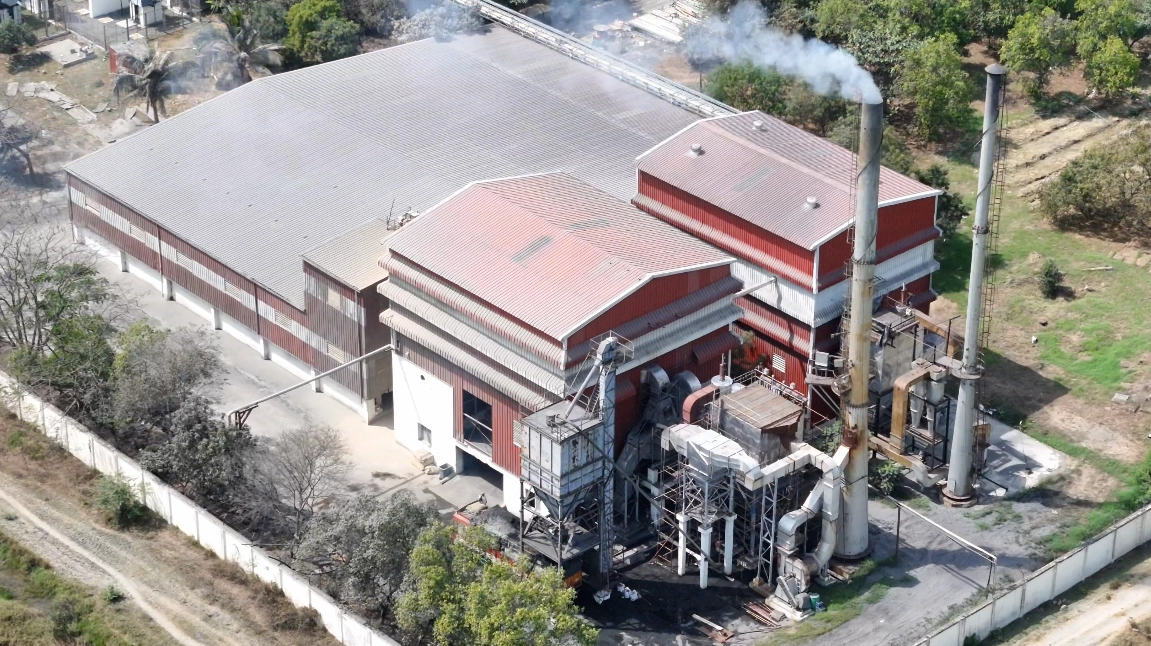
PEB Factory Building
Pre-engineered factory structures built for fast, durable production spaces.
Read More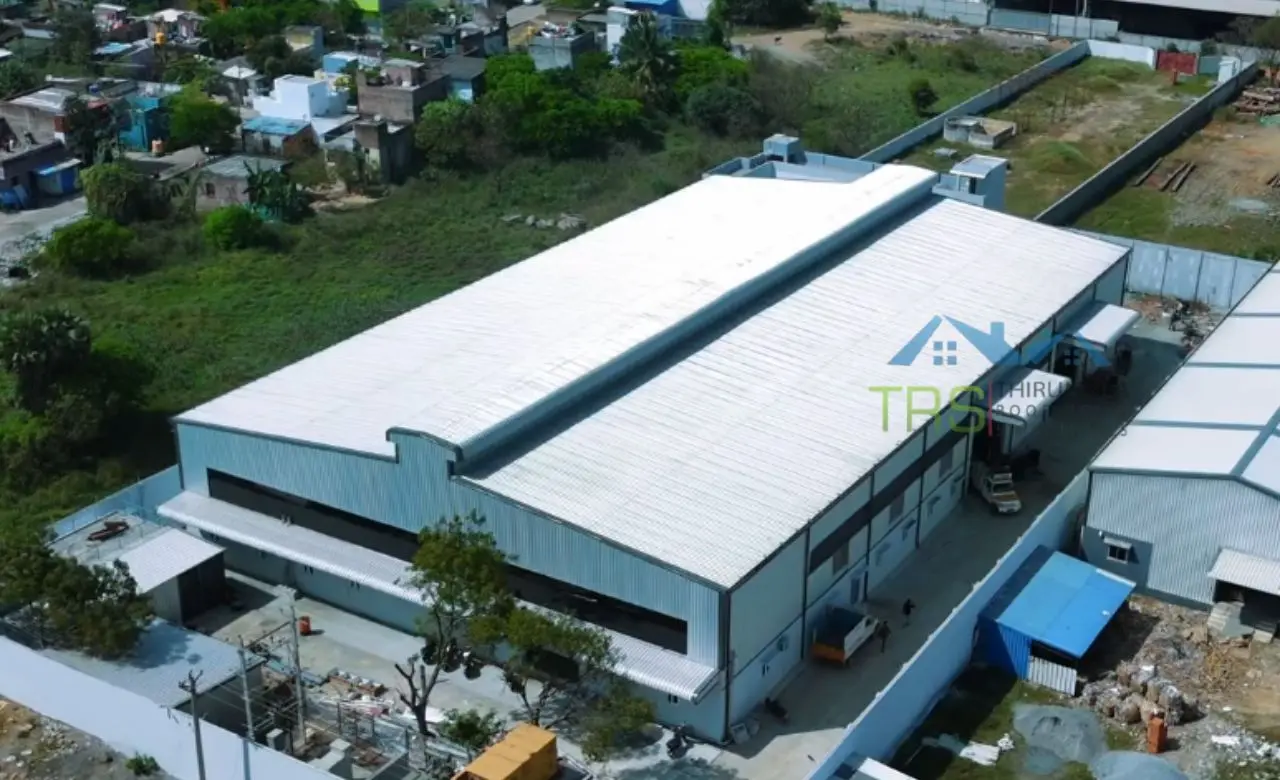
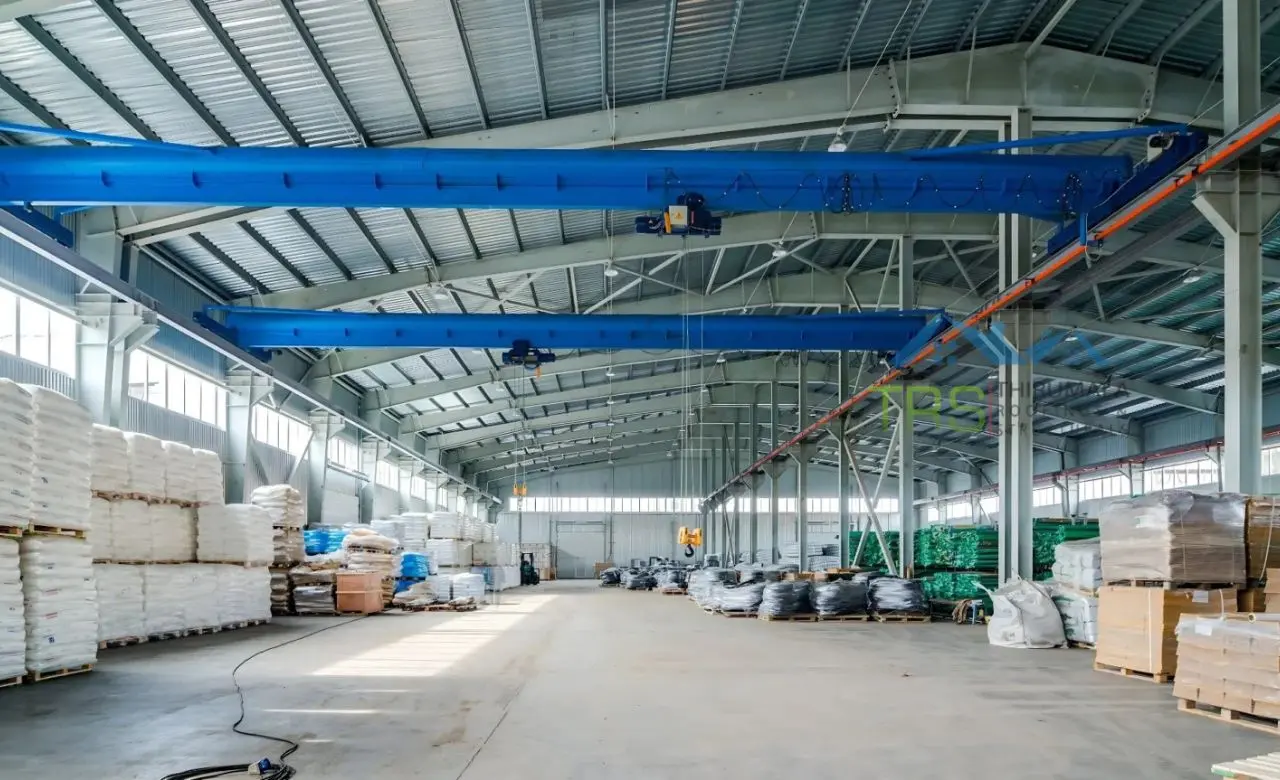
Industrial Shed Fabrication
Precision-fabricated industrial sheds built to handle heavy operations.
Read More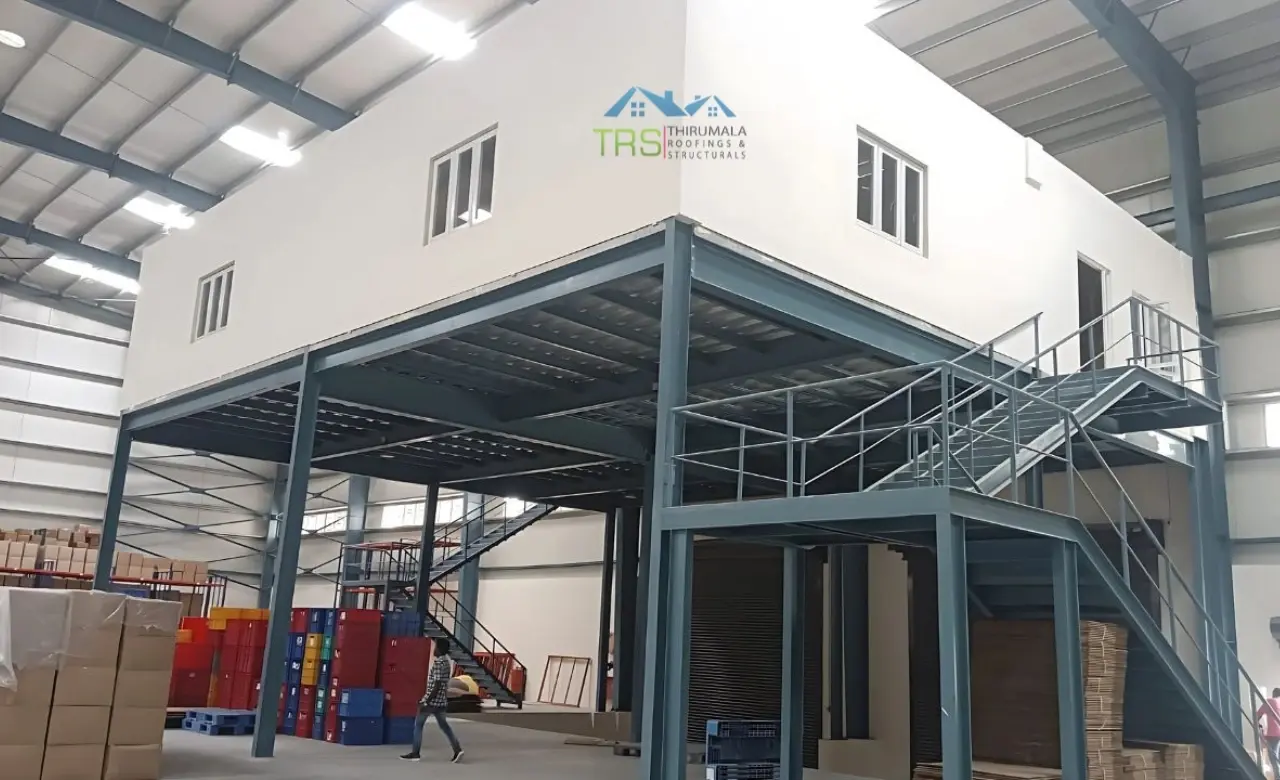
PEB Cold Storage Building
Insulated, temperature-controlled steel structures for cold storage units.
Read More
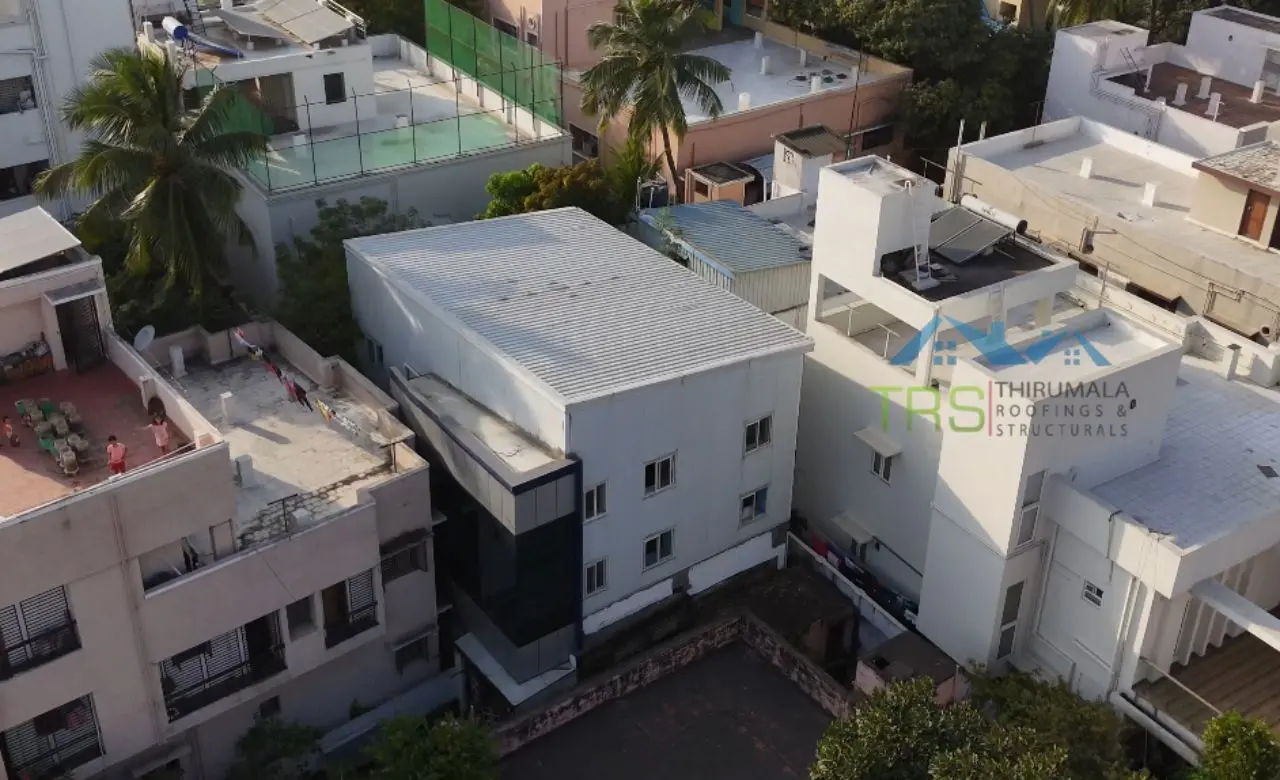
PEB Multi Storey Building
Multi-level steel structures engineered for strength and faster construction.
Read More
Glass Building Construction
Modern glass-and-steel facades combining aesthetics with structural strength.
Read More
Conventional Steel Buildings
Reliable conventional steel buildings built to last for decades.
Read MoreFrequently Asked Questions
Building a Mezzanine Floor That Actually Lasts
Thirumala Roofings & Structurals has worked as trusted mezzanine floor contractors in Chennai for over 13 years, with in house fabrication at Paraniputhur and IS certified steel sourced through verified suppliers, applying the same proper mezzanine floor construction details to every project. As established mezzanine flooring manufacturers in Chennai, every project moves through the same process, requirement analysis, column and load planning, CAD engineered design, controlled fabrication, planned logistics, careful assembly, and a real quality check before handover.
Get a free site visit to discuss your load capacity requirements and the specifications that actually matter for a structure built to last.