What Is Cleanroom Classification and
Why It Matters for Your Facility
We've spent 14+ years building Pre-Engineered Buildings across Tamil Nadu and those years show in every project we deliver. From warehouses and factory sheds to large industrial buildings, we've completed 386+ projects for businesses that needed structures built right, built fast, and built to last.
Prefabricated CleanRoom
Planning a lab? Or maybe a pharma unit, something that needs really clean, controlled air? Then you need to get your head around cleanroom classification first. It's not just a fancy word engineers throw around to sound smart. Cleanroom classification actually shapes how your building gets designed. What materials go in. How well the whole thing works once it's up and running.
Get a Free Quote
Fill the form below — we'll get back to you within 24 hours.
What Cleanroom Classification
Actually Means
Here's the simple version. Cleanroom classification measures how many tiny particles are allowed to float around in the air of a space. Fewer particles allowed? Stricter classification. And stricter means more careful design, no shortcuts. This isn't guesswork either. It follows real cleanroom standards, ISO 14644 being the big one, and labs and pharma companies everywhere lean on it.
A space needing a stricter rating needs better filters. More controlled airflow. Construction that doesn't leave gaps where dust or particles can sneak through. You really can't figure out cleanroom classification levels once construction has already started. It has to be baked into the plan from day one, no exceptions.
Why This Matters Before
You Even Break Ground
Get it wrong at the planning stage, and you're in for a rough time later. Say your facility ends up needing something stricter than what was originally designed. Now you're staring down expensive rework. Delays. Sometimes a full redo of the HVAC and structural setup, which nobody wants.
This is exactly why cleanroom classification should come up in your very first conversation with a contractor. Not halfway through the build, when it's too late to change course easily. Getting it right early also affects how airtight the building needs to be, what insulation makes sense, even the flooring and wall panels you'll end up using.
How It Shapes Your
Construction Choices
Once you've nailed down which of the cleanroom classification levels applies to your project, it drives almost every decision after that. Every single one.
Sealing
Joints, wall corners, roof openings, all of it needs careful attention so air pressure stays steady and particles can't sneak in. Especially at stricter levels.
HVAC
A higher rating usually means the air gets changed more often, so ductwork and support structure need to be planned in from the start. Not bolted on as an afterthought.
Flooring and Wall Materials
Smooth, easy to clean surfaces become necessary as things get stricter, because even a small crack or rough patch can trap particles you really don't want trapped.
Structural Precision
Foundations, floor slabs, tighter tolerances all around. An uneven surface can break the airtight seal that a stricter setup depends on.
Common Cleanroom Classification
Levels and What They're Used For
ISO Class 5
This one's for seriously sensitive work, think semiconductor manufacturing or certain drug production, where even a speck of dust can wreck an entire batch.
ISO Class 7 and 8
Far more common. General pharma work, medical devices, most lab environments fall here. Still solid contamination control, but without the eye watering cost that comes with the ultra strict spaces. These levels cover most of what a typical lab or pharma unit actually needs.
Here's the thing though. Picking the right level isn't about going as strict as humanly possible. It's about matching classification to what your process actually needs, based on established cleanroom standards. Go stricter than necessary and you're just burning money for no real benefit.
Why PEB Works So Well
for These Projects
PEB for cleanroom facilities offers a real advantage here. Steel structures work really well when strict air control comes into the picture. The shell can be built with the kind of precision that tight sealing demands. And because PEB construction is modular, it's a lot easier to plan HVAC and ductwork into the design from the get go, matching whatever standard your process requires.
Speed counts too. Facilities needing a specific rating are usually racing against something, regulatory approval, a product launch, you name it. PEB for cleanroom facilities gets the shell up faster than regular concrete construction ever could, which buys more time for the specialized fit out work that follows. It's a big reason why cleanroom construction Chennai projects increasingly lean toward steel over RCC.
Working With a Team
That Actually Gets It
Not every contractor understands what cleanroom classification really demands. Choosing someone who's done this before, actually done it, makes a real difference. Fixing a mistake after the structure's already standing costs a lot more than just getting it right the first time around.
A contractor who knows this world will ask the right questions early. What process is running inside? What particle limits apply? How does air need to move through the space? All before any design work even starts, because getting this right at this stage saves everything downstream. This is exactly the kind of groundwork any solid cleanroom construction Chennai provider should walk you through.
Our PEB Services
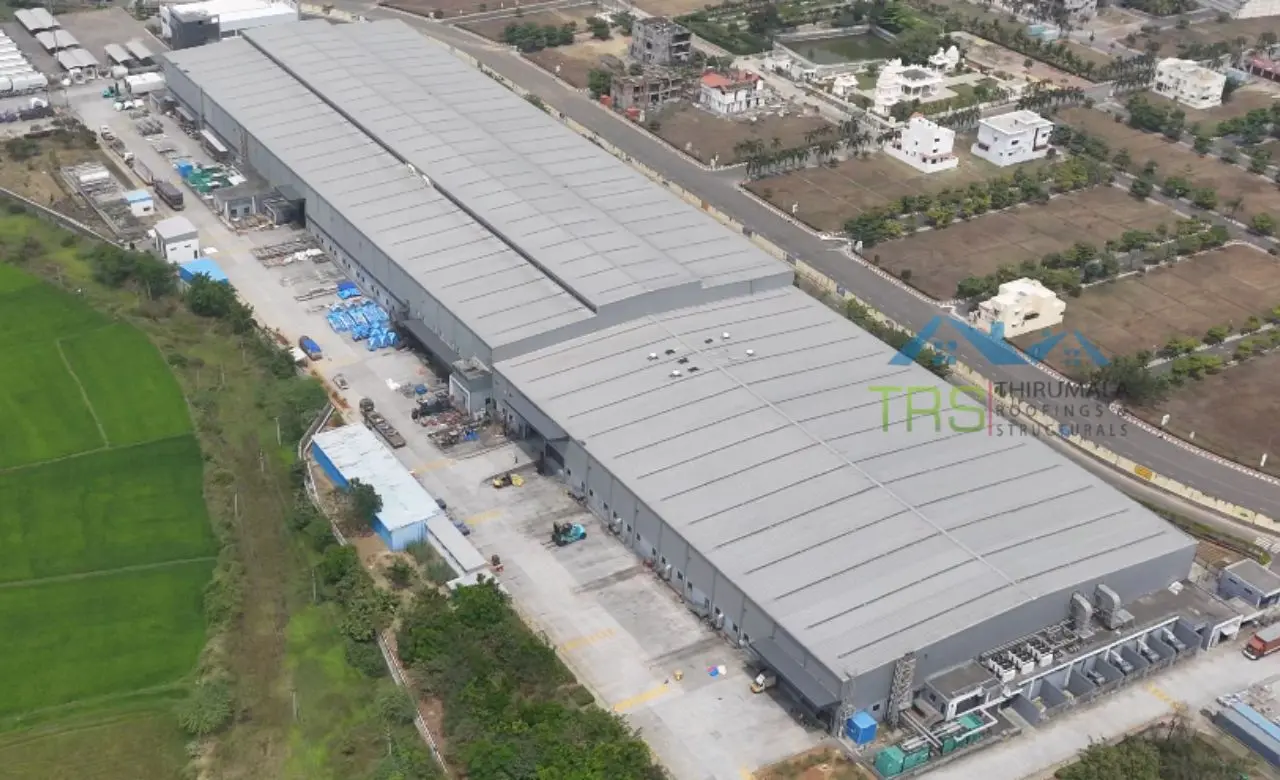
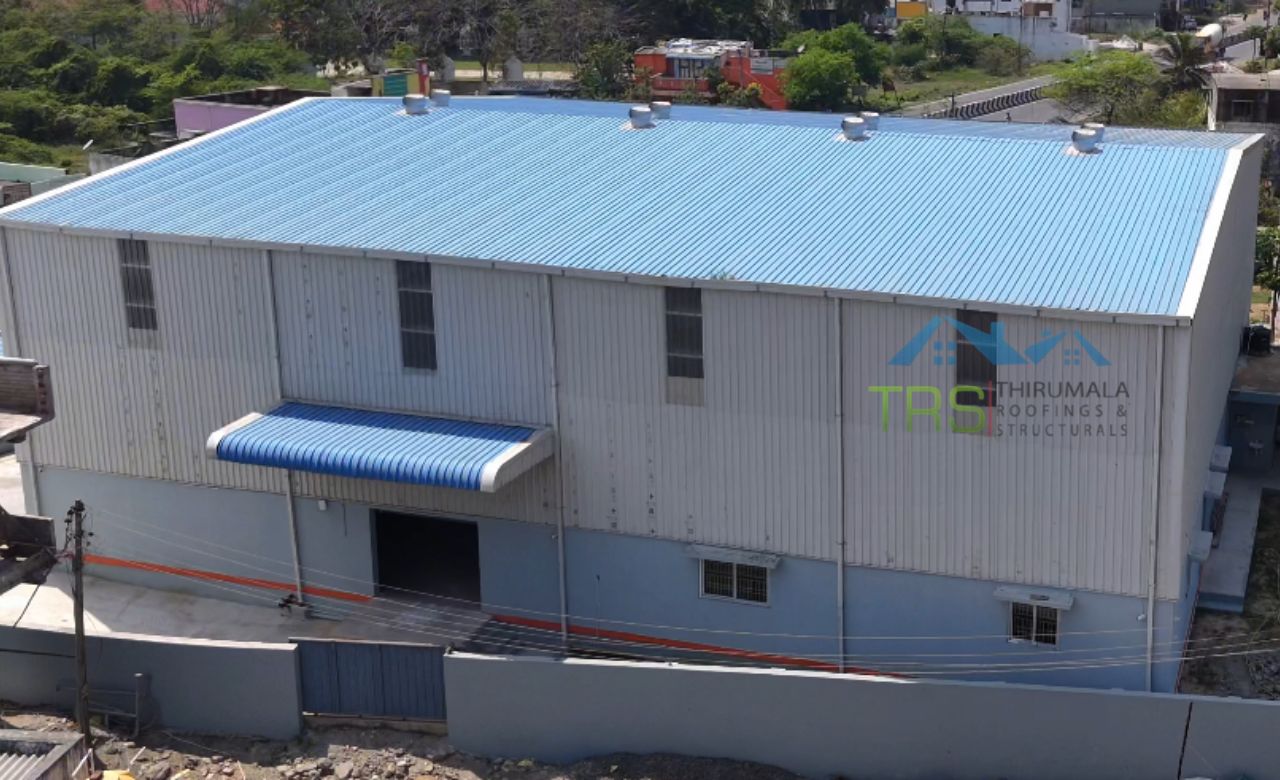
Pre Engineered Buildings
Complete PEB solutions designed and fabricated for speed and structural strength.
Read More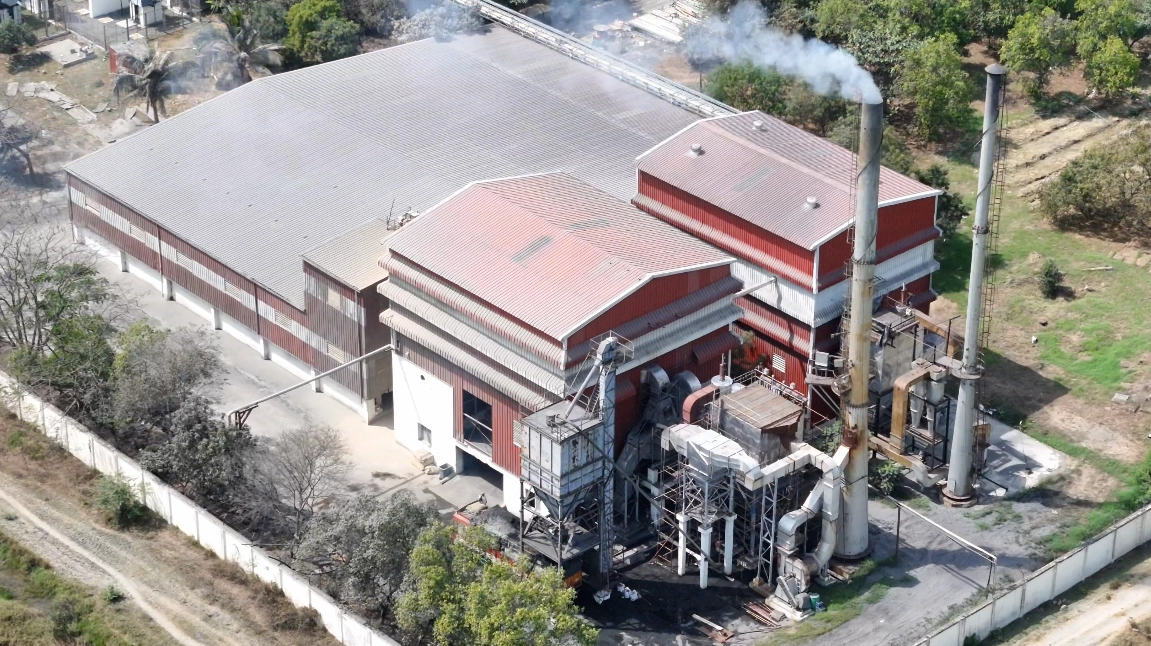
PEB Factory Building
Pre-engineered factory structures built for fast, durable production spaces.
Read More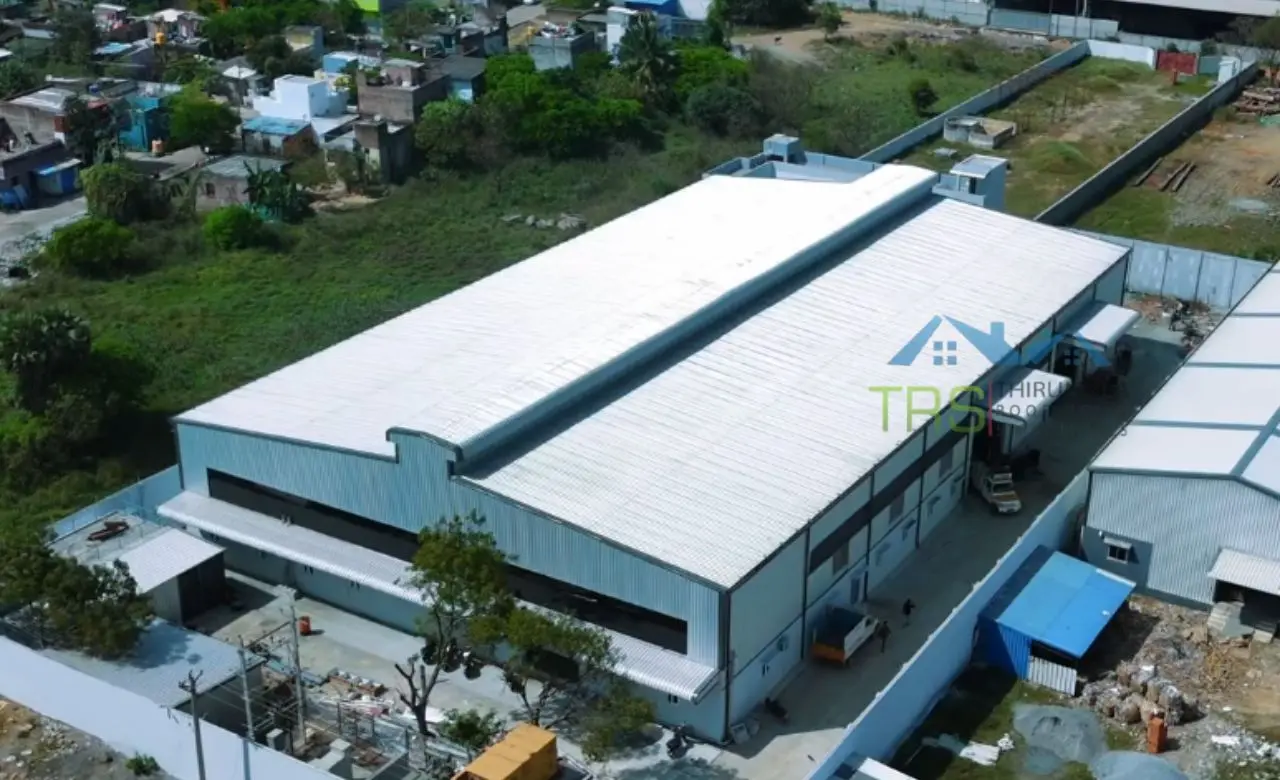
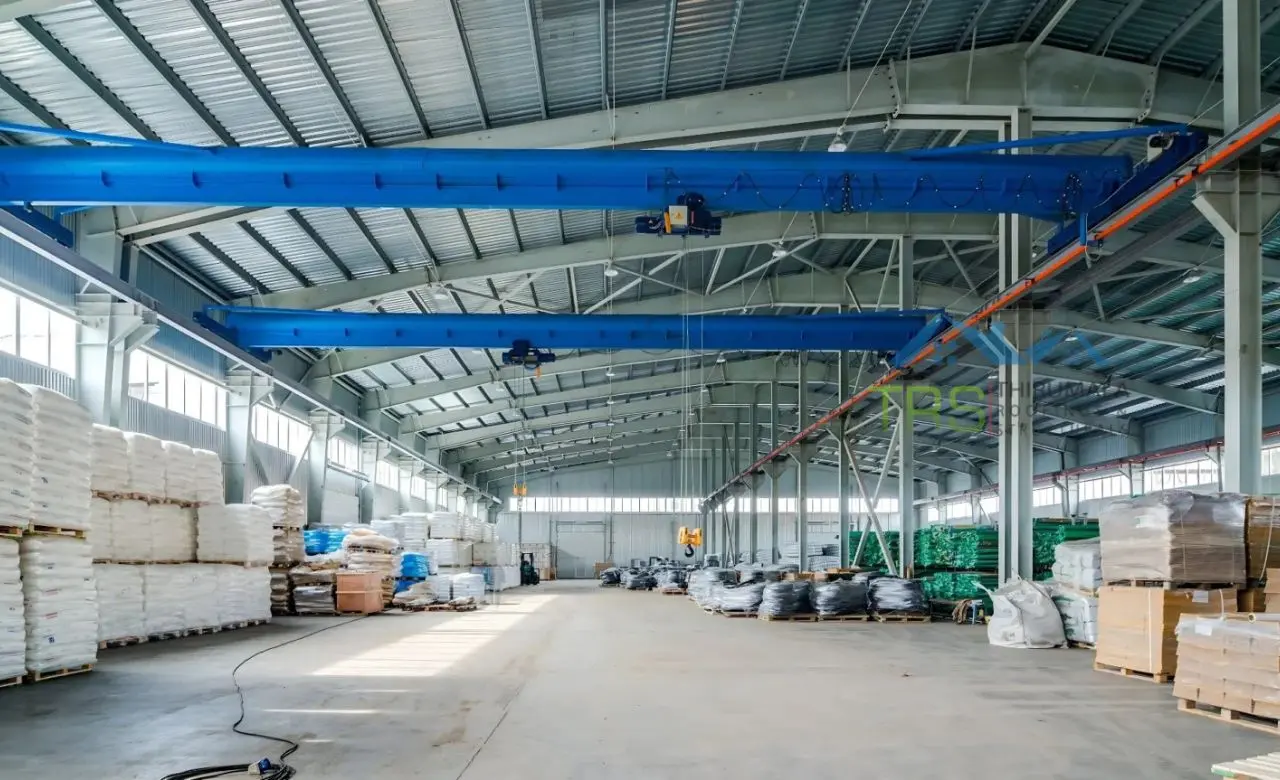
Industrial Shed Fabrication
Precision-fabricated industrial sheds built to handle heavy operations.
Read More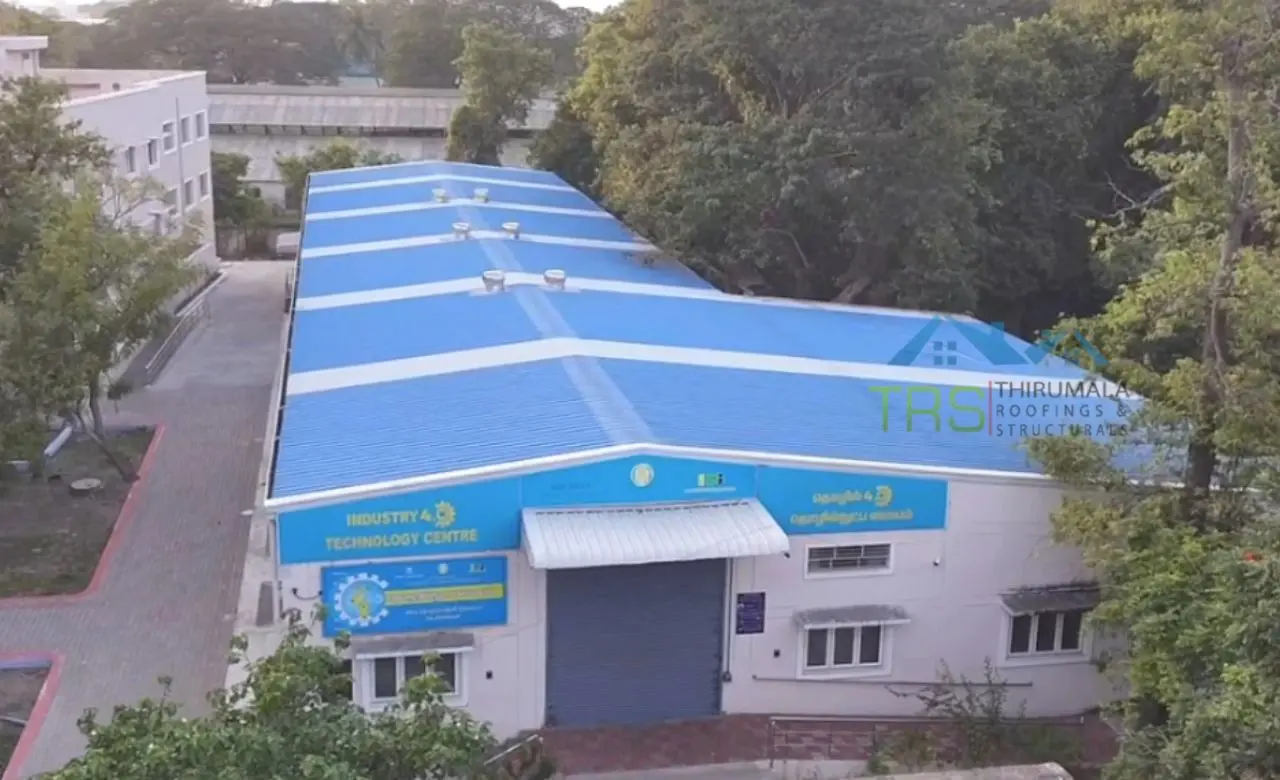
PEB Cold Storage Building
Insulated, temperature-controlled steel structures for cold storage units.
Read More

PEB Multi Storey Building
Multi-level steel structures engineered for strength and faster construction.
Read More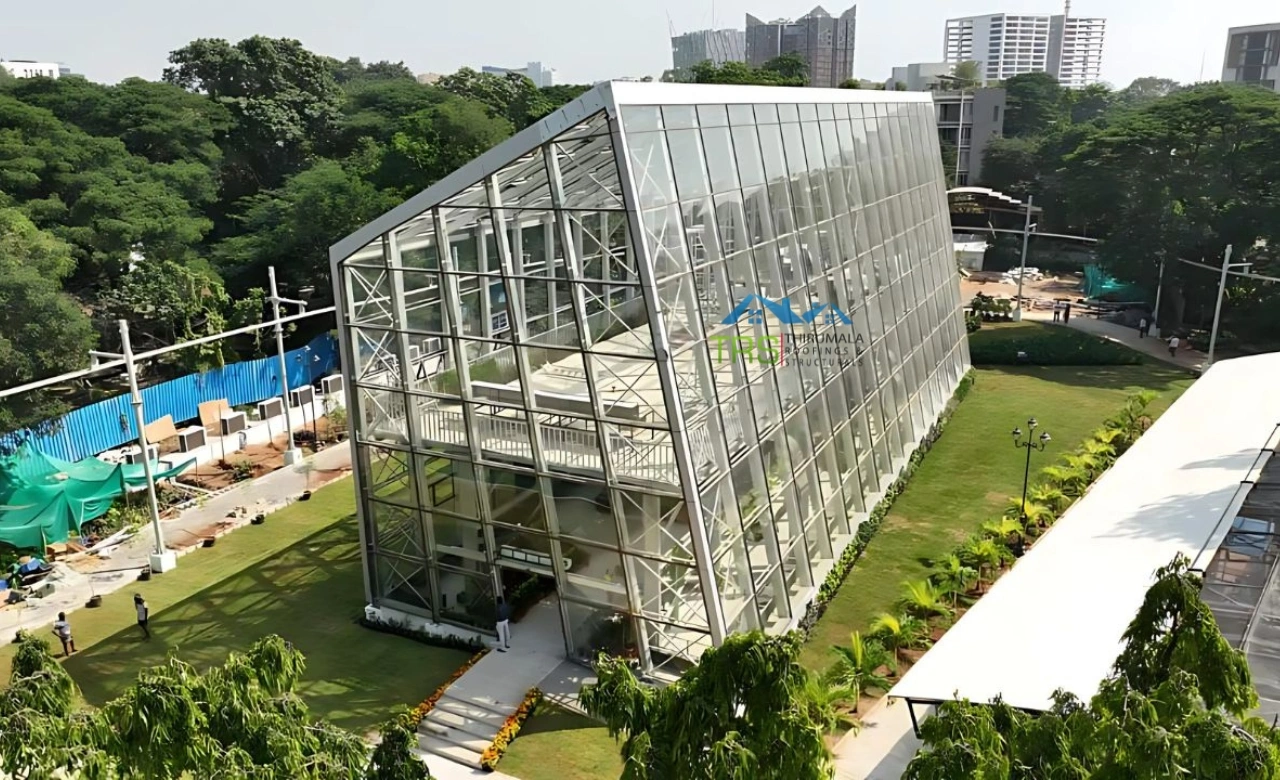
Glass Building Construction
Modern glass-and-steel facades combining aesthetics with structural strength.
Read More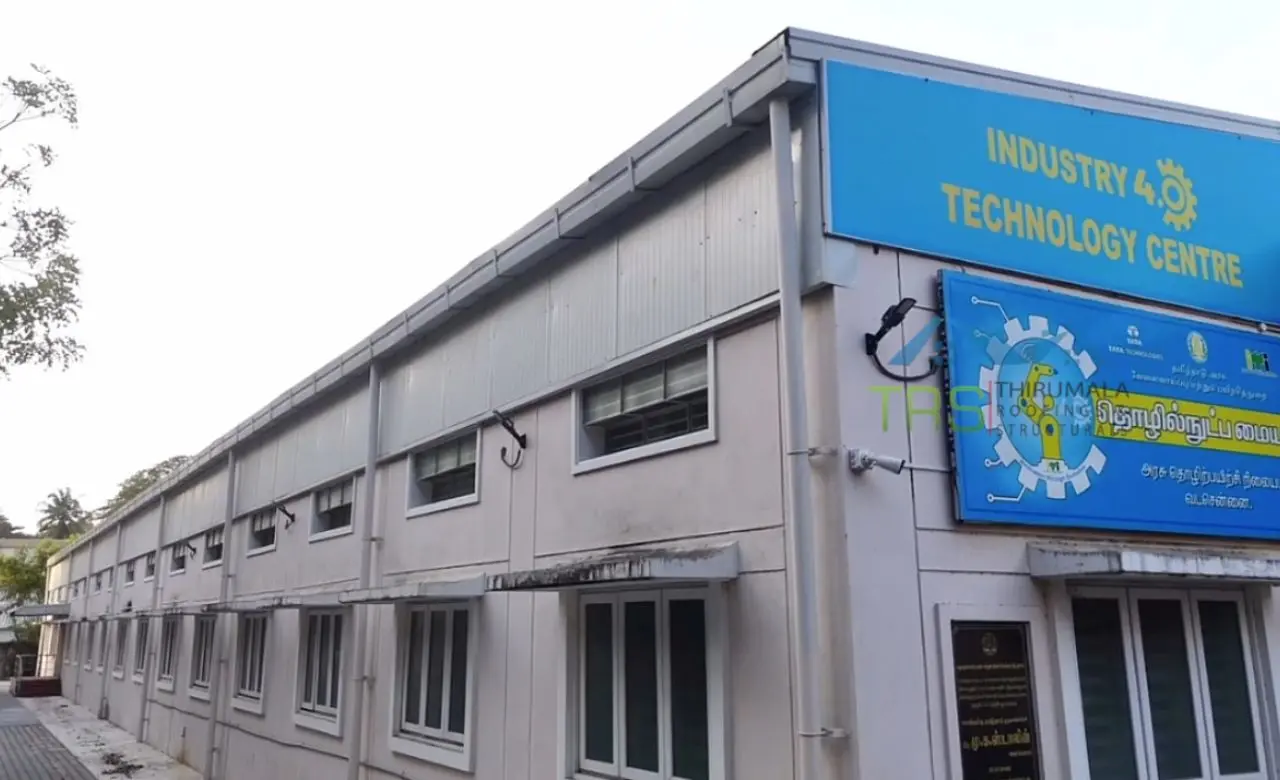
Conventional Steel Buildings
Reliable conventional steel buildings built to last for decades.
Read More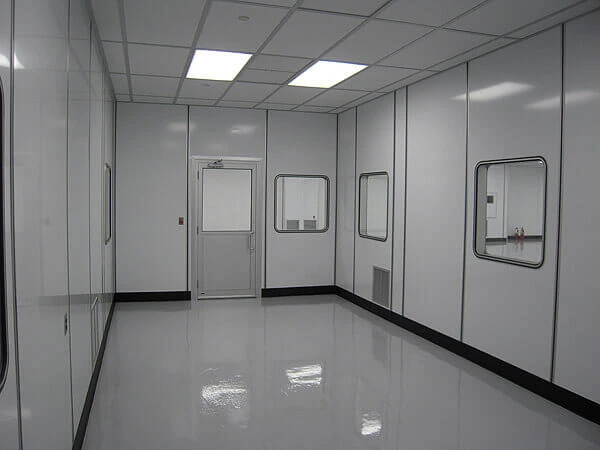
Prefabricated Laboratory
Modular, precision-built laboratory structures designed for cleanliness, safety, and fast deployment.
Read MoreFrequently Asked Questions
Planning a Facility That Needs a Specific Cleanroom Classification?
Getting it right from the start saves time, money, and a good deal of stress later on. Get a free site visit and consultation from our team. No obligation, no jargon, just honest advice from people who've actually done this work.