Sustainable Building Materials for
Industrial Projects
In today's rapidly evolving construction landscape, sustainability has become more than just a trend, it is a necessity. As industries worldwide continue to grow, so does the need for infrastructure that is efficient, long-lasting, and environmentally conscious. Responsible construction is a priority for Thirumala Roofings & Structurals.
Build Sustainably With Experts
Whether you're planning a new warehouse, factory, or cold storage unit, our team will guide you toward greener alternatives that don't compromise on quality. Our objective is to build sustainable structures that help create a better tomorrow. For a detailed consultation, speak with our team today.
Get a Free Quote
Fill the form below — we'll get back to you within 24 hours.
Why Sustainable Building
Materials Matter
Industrial structures demand durability, strength, and cost-effectiveness. However, they must also adhere to modern environmental standards. The design of sustainable building materials involves reducing energy consumption, minimizing waste, and encouraging recycling and reuse. Here are the key benefits.
Energy Efficiency
Many sustainable materials offer high thermal insulation, reducing the energy load for heating and cooling.
Reduced Carbon Emissions
Eco-conscious materials produce fewer emissions during manufacturing and operation.
Durability
Longer lifespans mean less frequent repairs or replacements.
Cost Savings
Although the initial investment may be higher, sustainable materials often result in long-term savings on energy and maintenance.
Top Sustainable Building Materials
Used in Industrial Construction
Steel: Recyclable and Robust
Steel remains a foundational element in industrial construction, especially in PEB structures. One of its greatest advantages is its 100% recycling and quality assurance. Recycled steel reduces the demand for virgin ore mining and consumes significantly less energy during production. At Thirumala Roofings & Structurals, we use high-quality, recycled steel for fabricating our pre-engineered buildings.
Insulated Sandwich Panels
The core insulation layer, such as PUF or mineral wool, is inserted between two metal sheets to make these panels, which are frequently utilized for walls and roofing. They offer exceptional thermal insulation, reducing HVAC energy consumption. We recommend our PUF Panel Installation Services for industries looking to enhance their building's energy efficiency.
Cool Roofing Sheets
Cool roofs are better at reflecting heat and absorption of sunlight than conventional roofing materials. These sheets have a significant effect on indoor temperatures and reduce air conditioning by using high-reflectivity paints and coatings. Thirumala Roofings & Structurals offers specially designed cool roofing solutions that combine sustainability with durability.
Low-VOC Coatings and Paints
Volatile Organic Compounds in traditional paints and coatings can harm indoor air quality. Low-VOC alternatives provide excellent protection from weathering and corrosion, while also being safer for workers and the environment. Our coatings are carefully selected to ensure low environmental impact without compromising on quality.
Recycled and Eco-Friendly Concrete Alternatives
In industrial construction, concrete is a common material, but its environmental costs are high. Alternatives like fly ash concrete or geopolymer concrete significantly reduce carbon emissions while maintaining structural integrity. These materials repurpose industrial by-products and offer a greener option for foundations and flooring.
Pre-Engineered Buildings
and Sustainability
PEBs are inherently more sustainable than traditional construction. Their design and manufacturing process are streamlined to minimize waste and maximize material usage. Here are some advantages of PEBs.
Precision Fabrication
Components are manufactured in controlled environments, reducing onsite waste.
Quick Assembly
Shorter construction timelines mean reduced emissions from equipment and transportation.
Reusability
PEB structures can often be disassembled and reused in new locations.
Explore our complete Pre-Engineered Building Services to discover sustainable solutions tailored for industrial environments.
How Thirumala Roofings & Structurals
Champions Sustainability
With decades of experience in industrial construction, we take pride in offering turnkey solutions that prioritize both performance and the planet. Our services are designed to reduce environmental impact from the ground up. Here's how.
Eco-Conscious Sourcing
We partner with suppliers who align with our sustainability goals.
Customized Designs
Our engineering team designs structures that optimize material usage and energy performance.
Innovative Roofing Solutions
We provide industrial roofing options that improve thermal efficiency and minimize heat gain.
End-of-Life Planning
We offer dismantling and recycling solutions for old structures, ensuring minimal landfill contribution.
Applications of Sustainable
Materials in Various Industries
From manufacturing plants to logistics hubs, every sector can benefit from the adoption of eco-friendly construction materials.
Warehouses
The interior climate and stored goods are maintained and protected by the use of insulated roofing and wall panels.
Cold Storage Units
Low temperatures can be maintained with minimal energy input using PUF panels and cool roofs.
Automobile Plants
Heavy-duty operations are supported by steel structures with sound insulation and ecological flooring.
Food Processing Units
Hygienic, low-VOC surfaces and controlled environments enhance food safety and operational compliance.
Long-Term Benefits of
Using Sustainable Materials
Even though the initial costs may seem higher, the long-term benefits are considerable.
Lower Utility Bills
Energy consumption can be reduced with enhanced insulation.
Reduced Maintenance
Durable materials result in fewer repairs.
Government Incentives
Many green buildings qualify for tax benefits and grants.
Brand Image
Sustainability-conscious companies are favored by clients, partners, and investors.
Our Services
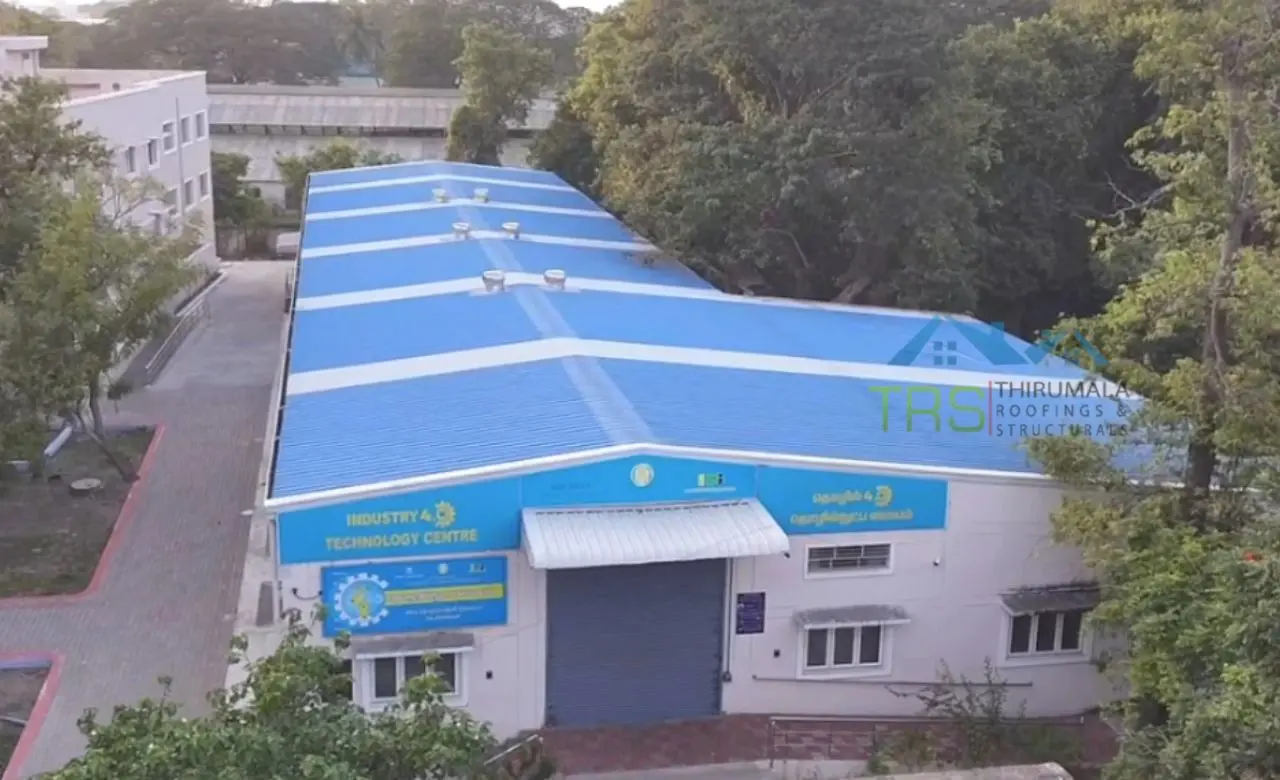
Pre Engineered Buildings
Complete PEB solutions designed and fabricated for speed and structural strength.
Read More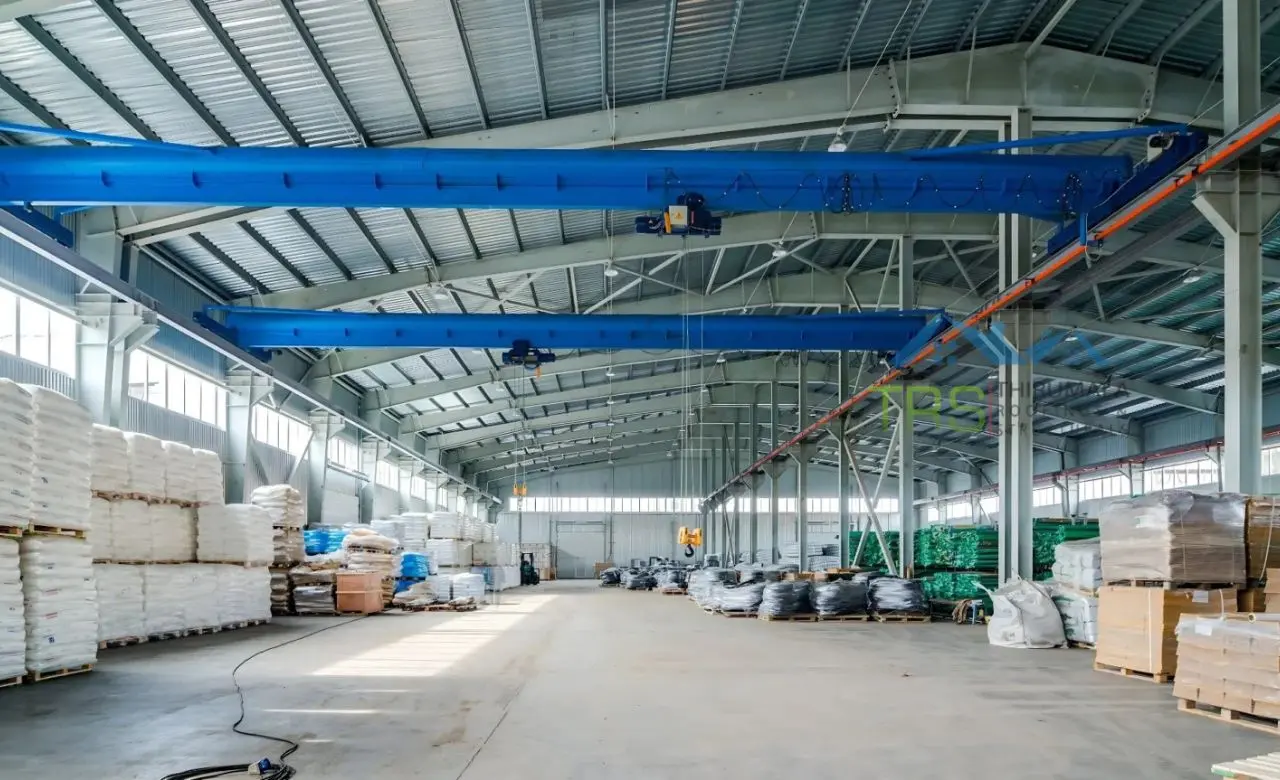
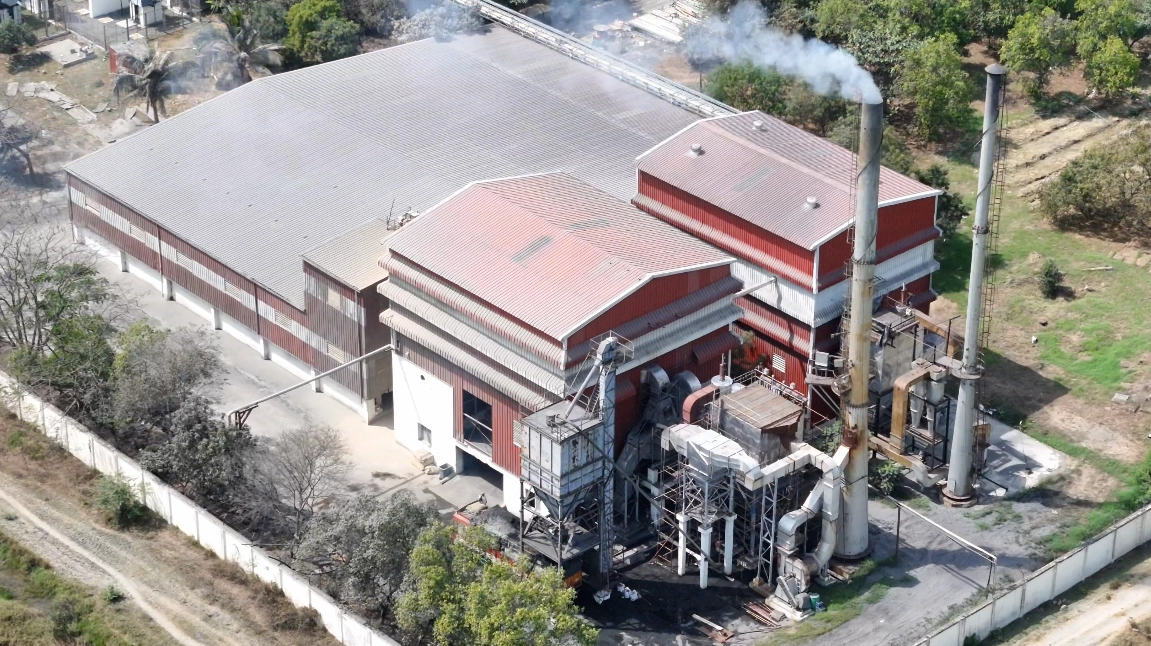
PEB Factory Building
Pre-engineered factory structures built for fast, durable production spaces.
Read More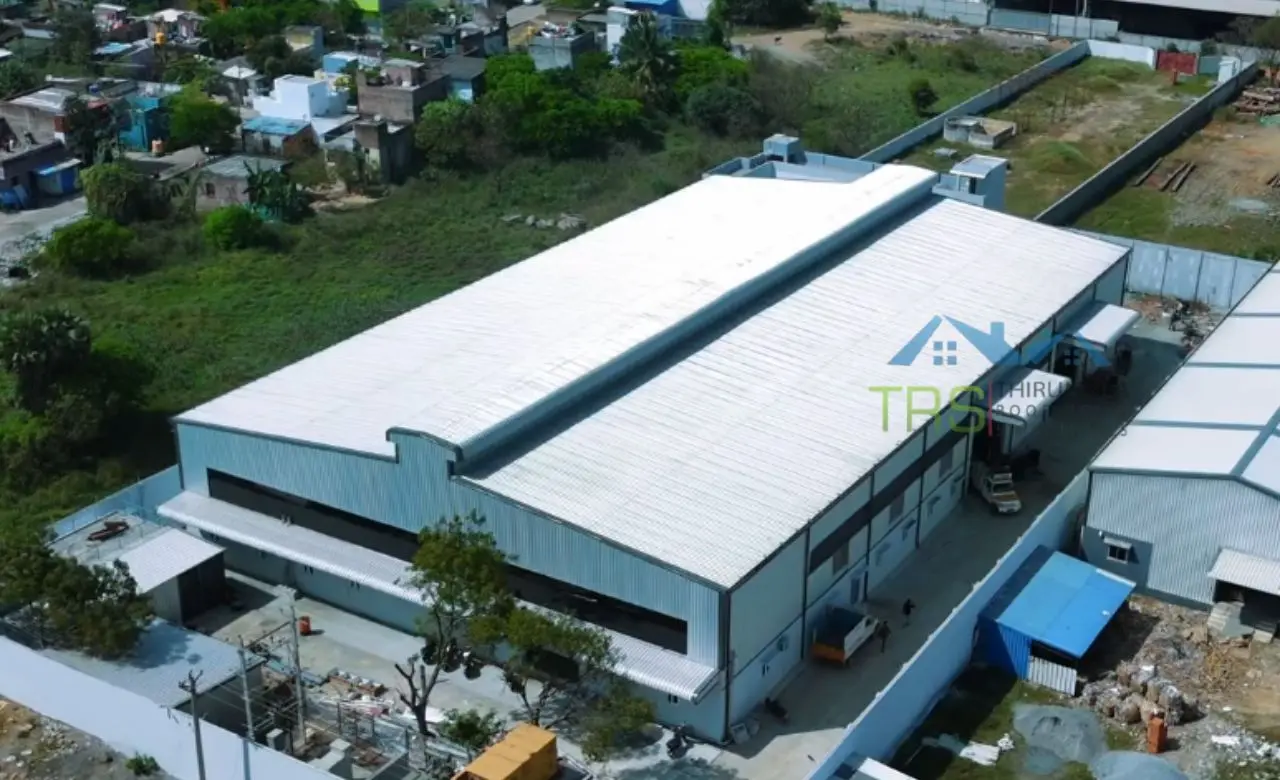
Industrial Shed Fabrication
Precision-fabricated industrial sheds built to handle heavy operations.
Read More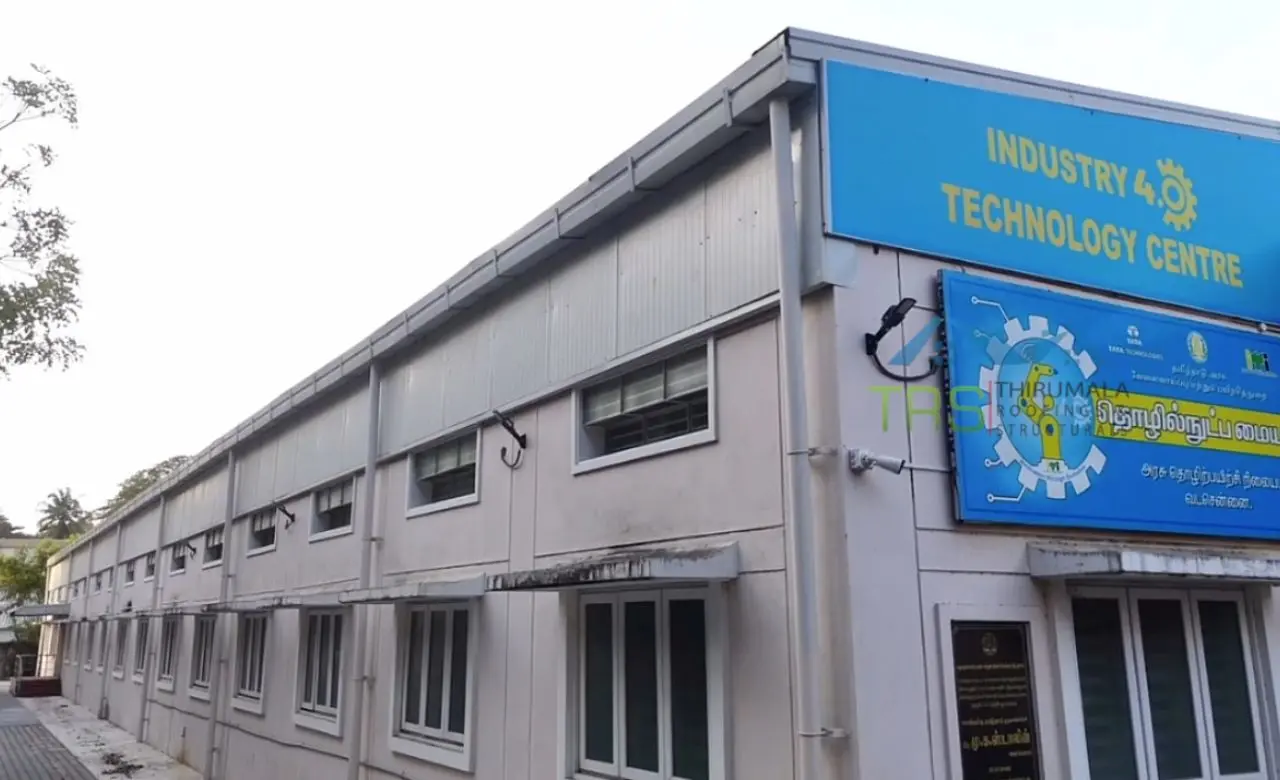
PEB Cold Storage Building
Insulated, temperature-controlled steel structures for cold storage units.
Read MoreConventional Steel Buildings
Reliable conventional steel buildings built to last for decades.
Read MoreFrequently Asked Questions
Building a Greener Tomorrow, Together
The transition to sustainable building materials is not just about environmental ethics, it's about building smarter, longer-lasting, and more cost-effective structures. Whether you're planning a new warehouse, factory, or cold storage unit, we'll guide you toward greener alternatives that don't compromise on quality.