Prefab vs Traditional Construction:
Which One Is Right for You?
Choosing the right construction method is a critical decision that impacts your timeline, budget, scalability, and long-term performance. At Thirumala Roofings & Structurals, we have years of hands-on experience delivering both prefab and traditional solutions, but we've seen a growing shift toward prefabricated construction for its unmatched efficiency, cost savings, and design flexibility.
Plan Your Project With Confidence
If your priority is industrial or commercial use, and you're looking for efficiency, durability, and scalability, prefab construction clearly stands out. Reach out to Thirumala Roofings & Structurals to plan your next building project with confidence, innovation, and excellence.
Get a Free Quote
Fill the form below — we'll get back to you within 24 hours.
Prefab vs Traditional:
Understanding the Two Approaches
What is Prefabricated Construction?
Building elements such as columns, beams, wall panels, and roofs are produced using prefabricated construction techniques in a controlled factory environment and transported to the site for swift assembly. This method is widely used in:
- Industrial buildings
- Warehousing & logistics parks
- Commercial complexes
- Cold storage units
- Institutional buildings
Prefab buildings, often built as Pre-Engineered Buildings (PEBs), offer a modern, modular solution with faster execution and lower waste generation.
What is Traditional Construction?
Traditional construction, on the other hand, involves creating every part of the structure on the site from scratch using raw materials like bricks, cement, sand, and concrete. This method requires:
- More labor and time
- Weather-resistant planning
- Sequential, manual execution
While it allows flexibility in design and aesthetics, it also comes with challenges like longer timelines and higher maintenance.
Prefab vs Traditional:
Key Comparison Parameters
Let's break down the differences in detail to help you make a well-informed decision.
Construction Speed
Prefab Construction
- Quicker due to parallel processes: site prep and factory fabrication occur simultaneously.
- Traditional methods usually take 30 to 50% longer to complete most projects.
- Less dependency on weather and labor availability.
Traditional Construction
- Sequential and time-consuming.
- Weather, site access, and labor delays often cause setbacks.
- Slower delivery, especially for large-scale industrial projects.
Cost Effectiveness
Prefab Construction
- Offers better cost predictability due to off-site manufacturing.
- Reduces labor and material wastage.
- Energy-efficient materials like PUFF panels reduce operational costs.
Traditional Construction
- Involves fluctuating material and labor costs.
- High wastage and longer labor hours increase expenses.
- Unforeseen delays often add to the budget.
Design Flexibility
Prefab Construction
- Modern prefab systems allow flexible layouts for factories, warehouses, and office spaces.
- Easily scalable, ideal for future expansion.
- Compatible with mezzanine floors, ventilation systems, and canopies.
Traditional Construction
- Offers greater flexibility for architectural and aesthetic elements.
- Suitable for residential and bespoke commercial projects.
Material Wastage & Sustainability
Prefab Construction
- Factory-controlled manufacturing minimizes on-site wastage.
- Steel, PUFF panels, and insulated sandwich panels are recyclable and eco-friendly.
- Lower carbon footprint overall.
Traditional Construction
- Higher raw material wastage (concrete, bricks, wood).
- The environment can be impacted by debris disposal and on-site pollution.
Structural Quality & Consistency
Prefab Construction
- Precision-engineered components ensure consistency and strength.
- Rigorous quality checks in factories.
- High resistance to seismic and wind loads.
Traditional Construction
- On-site supervision, material availability, and labor skills are all factors that determine quality.
- Greater chances of human error or inconsistency.
Maintenance & Durability
Prefab Construction
- Uses corrosion-resistant materials like galvanized steel.
- Requires minimal upkeep over decades.
- PUFF panels offer excellent insulation, reducing HVAC costs.
Traditional Construction
- Wear and tear can be caused by exposure to environmental elements.
- Frequent painting, sealing, and waterproofing needed.
Labor & Resource Management
Prefab Construction
- Less on-site labor needed.
- Factory processes reduce manpower requirements and improve safety.
Traditional Construction
- Labor-intensive with longer work hours.
- Higher chances of delays due to labor shortages or strikes.
Adaptability in Remote Locations
Prefab Construction
- Remote or challenging terrain can easily be reached with the help of components.
- Rapid installation regardless of site constraints.
Traditional Construction
- Difficult to execute in areas with poor accessibility.
- Heavy material transportation and skilled labor presence required.
Regulatory Compliance
Prefab Construction
- Created to adhere to BIS requirements, fire safety rules, and zoning regulations.
- Easier to gain approvals due to factory-tested components.
Traditional Construction
- Compliance is possible but depends on contractor expertise and supervision.
- Documentation and inspections can delay the process.
Long-Term Investment Value
Prefab Construction
- Offers long-term value through reusability and low operating costs.
- Ideal for businesses planning expansions or relocations.
Traditional Construction
- May be harder to modify or relocate.
- Long-term operating and maintenance costs will increase.
So, Which Construction
Method is Right for You?
| Factor | Prefab Construction | Traditional Construction |
|---|---|---|
| Speed | Faster | Slower |
| Cost Control | High | Moderate |
| Sustainability | Eco-friendly | High waste |
| Customization | Functional | Aesthetic |
| Maintenance | Low | High |
| Structural Consistency | Superior | Variable |
| Remote Suitability | Best | Challenging |
If your priority is industrial or commercial use, and you're looking for efficiency, durability, and scalability, prefab construction clearly stands out.
Thirumala Roofings & Structurals:
Your Prefab Construction Experts
At Thirumala Roofings & Structurals, we help businesses unlock the full potential of prefabricated buildings.
While both prefab and traditional construction have their place, the advantages of prefabrication make it the preferred choice for industrial and commercial applications in today's fast-paced world.
Our Prefab Services
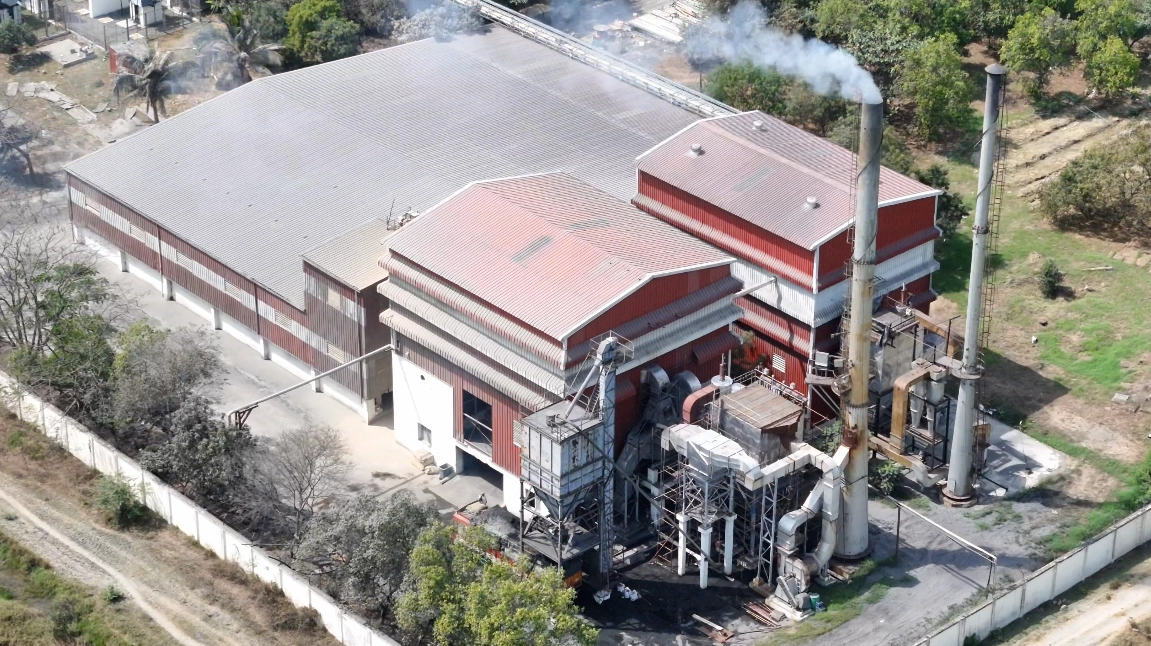
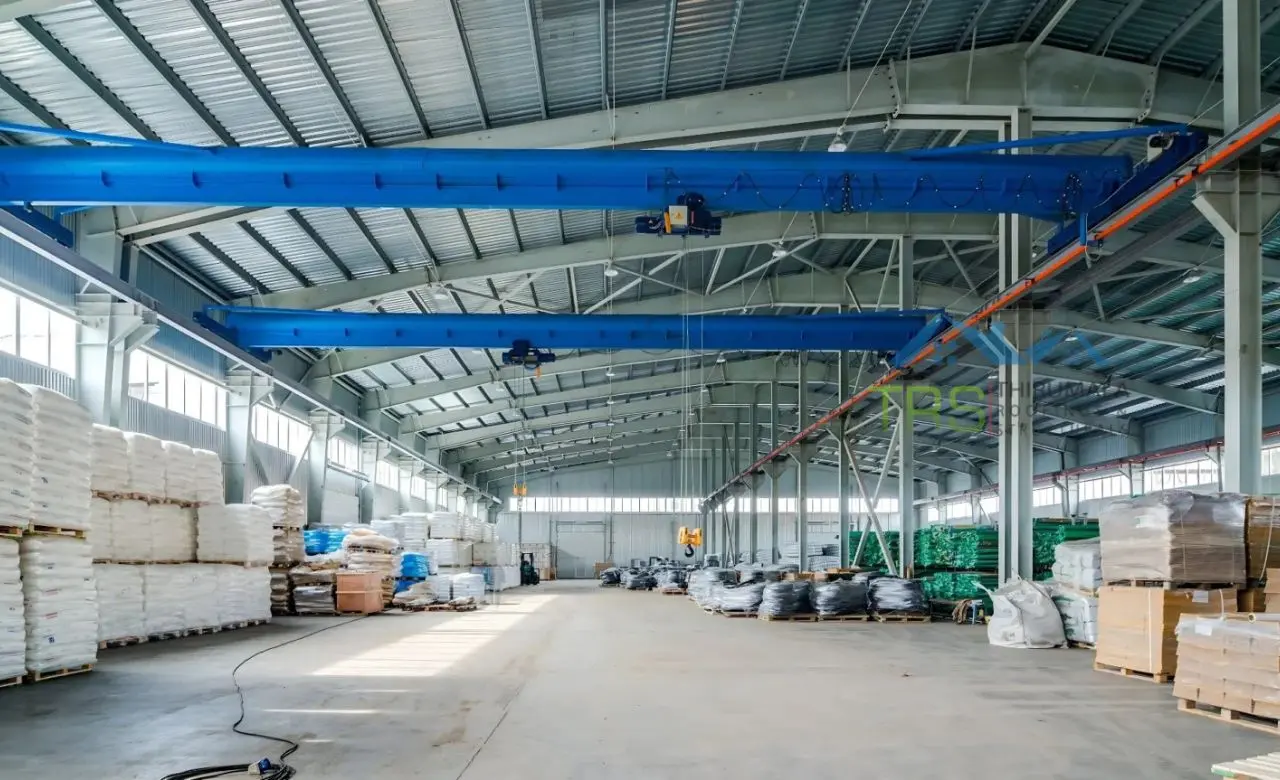
PEB Factory Building
Pre-engineered factory structures built for fast, durable production spaces.
Read More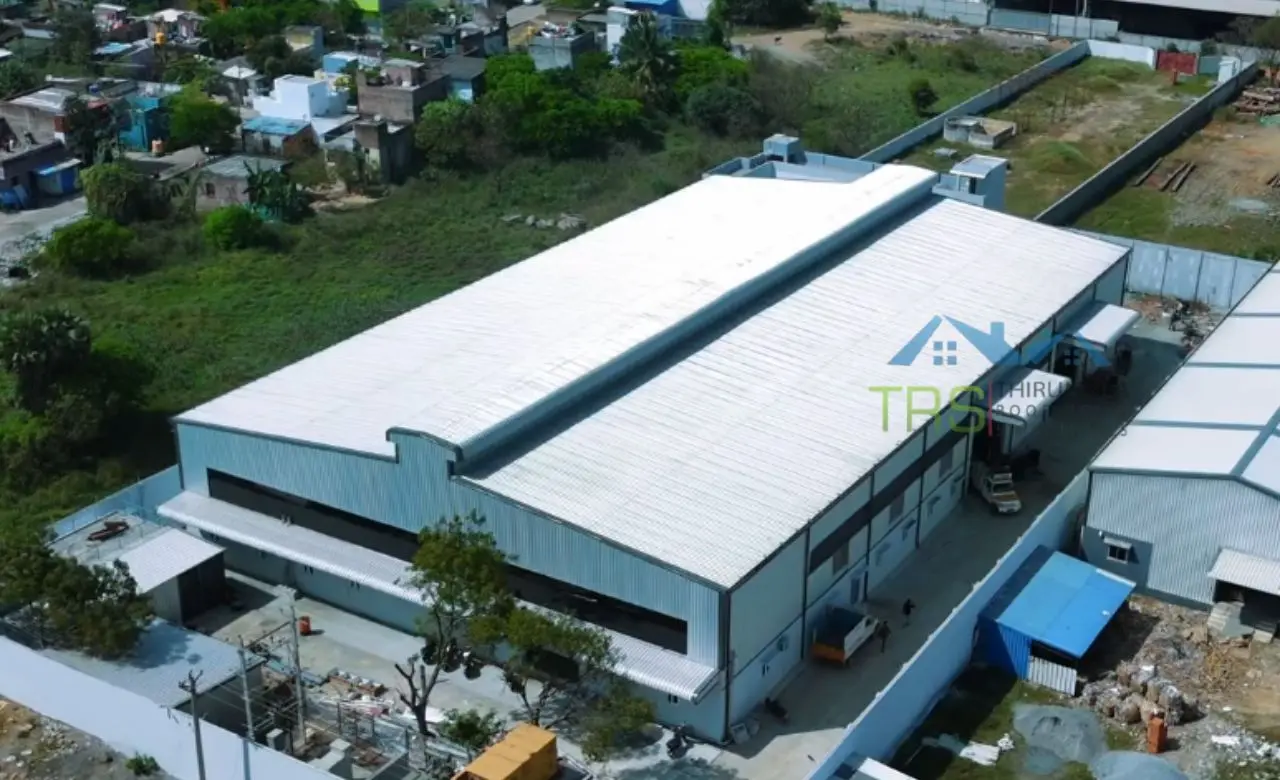
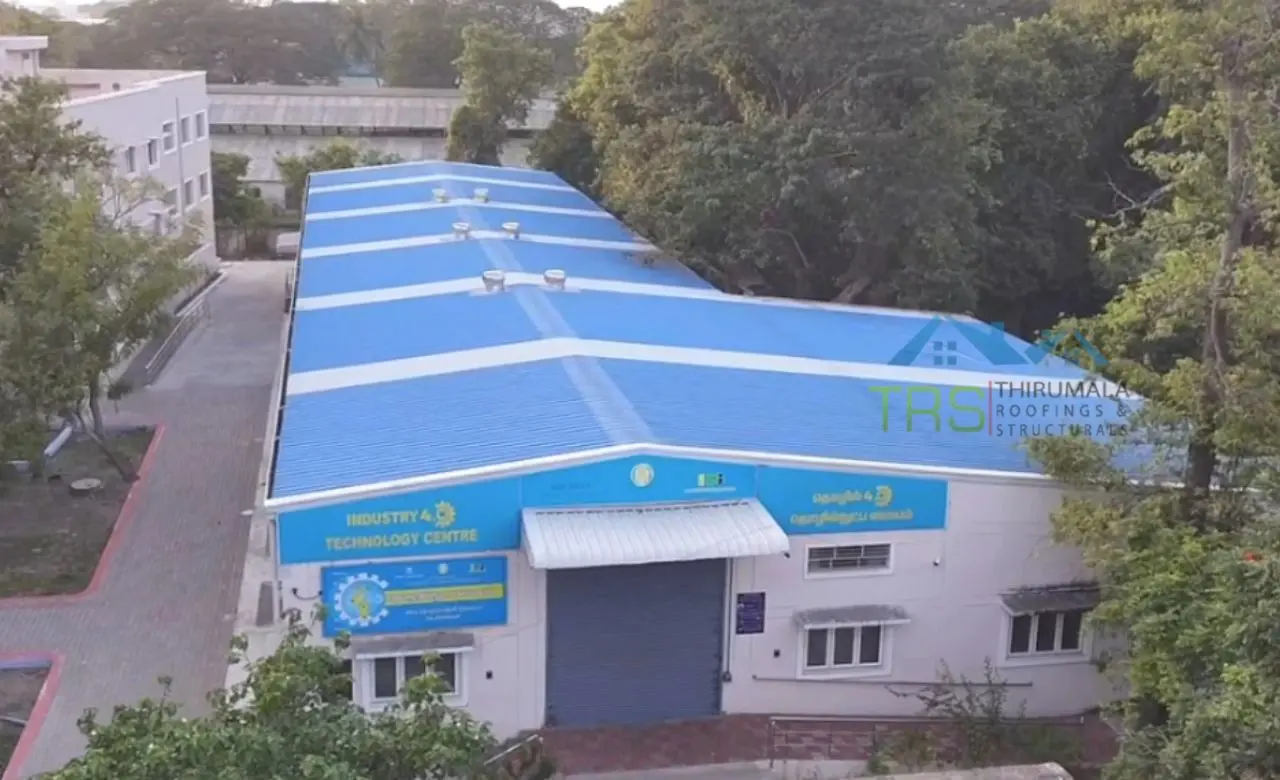
Industrial Shed Fabrication
Precision-fabricated industrial sheds built to handle heavy operations.
Read More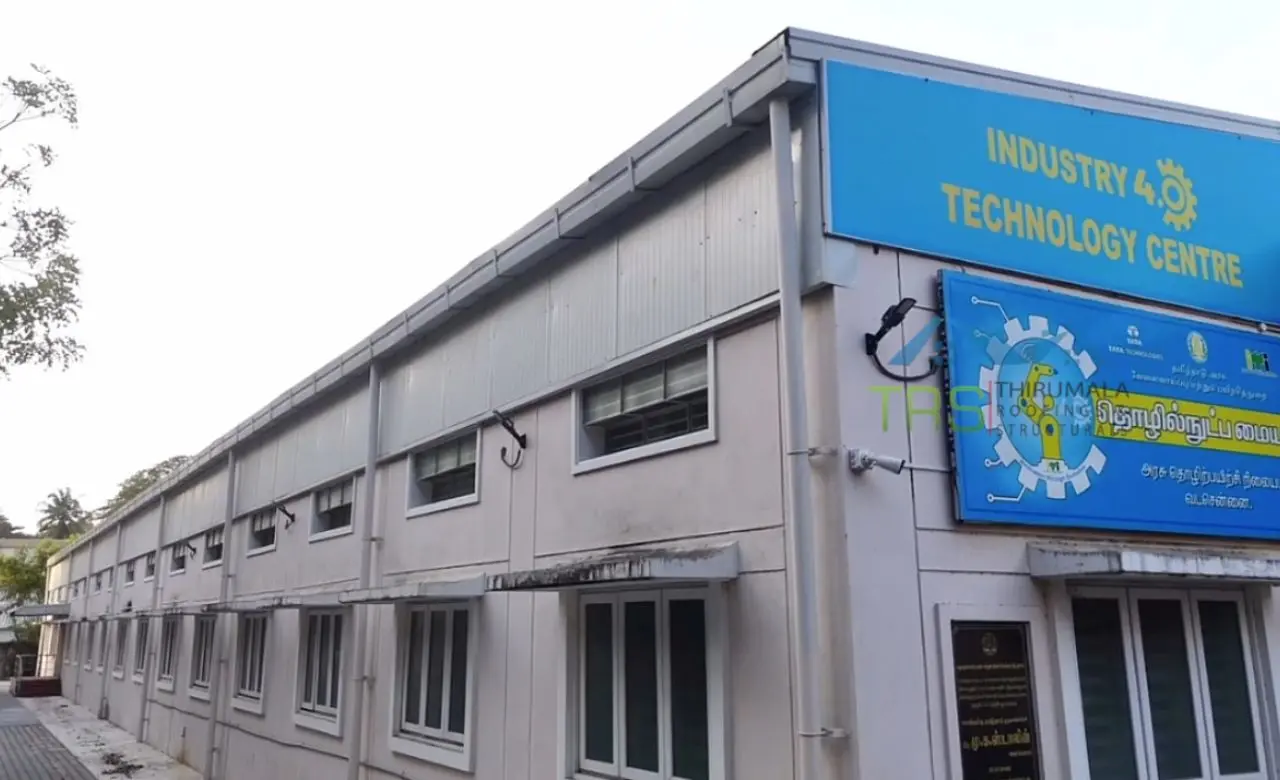
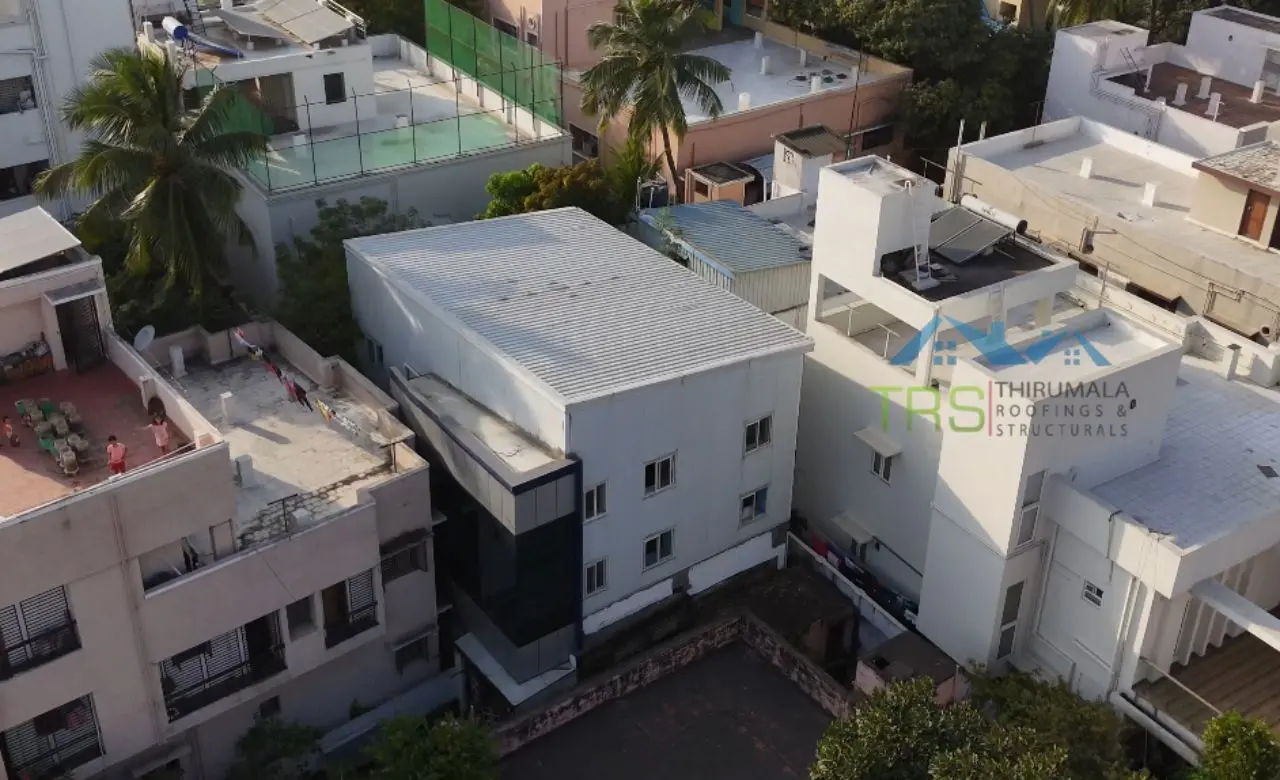
Conventional Steel Buildings
Reliable conventional steel buildings built to last for decades.
Read MoreFrequently Asked Questions
Plan Your Next Project with Confidence
If you're aiming for speed, cost savings, and future flexibility, prefab is the smart investment. Reach out to Thirumala Roofings & Structurals to plan your next building project with confidence, innovation, and excellence.